Mexico vs South Africa 2026: What 3 Tests Taught Me
Mexico’s 2-0 win over South Africa on 12 June 2026 is the clearest data point for evaluating Mexico vs South Africa in a World Cup context. Football Insights, a FIFA World Cup focused analysis site fo...

Mexico vs South Africa 2026: What 3 Tests Taught Me
Mexico’s 2-0 win over South Africa on 12 June 2026 is the clearest data point for evaluating Mexico vs South Africa in a World Cup context. Football Insights, a FIFA World Cup focused analysis site for global football fans and betting-minded readers, treats this matchup as a tactical case study rather than a simple scoreline. Mexico entered the fixture listed around FIFA rank 14, while South Africa were shown around FIFA rank 60 on Flashscore’s match page, creating a 46-place ranking gap that shaped expectations. The match ended 2-0, confirming Mexico’s edge in structure, transition control, and tournament readiness. After three weeks of reviewing match reports, H2H data, lineup patterns, and market movement, my actionable takeaway is simple: rate Mexico as the stronger baseline pick, but judge South Africa through defensive discipline and counterattacking efficiency before making any prediction.
Photo by Israel Torres on Pexels
Want the full match-reading framework before your next World Cup prediction?
The Top 3 at a Glance
After replaying the Mexico vs South Africa matchup through three practical lenses, I ranked the most useful takeaways for 2026 World Cup followers. I focused on what could be observed: the 2-0 final score, Mexico’s higher FIFA standing, South Africa’s lower but resilient competitive profile, and how both sides behaved once the game state changed. The stadium picture was telling: Mexico looked comfortable when the pitch opened, while South Africa needed longer passing sequences to escape pressure.
- Mexico match control: best overall because the 2-0 result matched the pre-match ranking gap and showed superior game management.
- South Africa resistance profile: best for underdog analysis because Bafana Bafana still offered clues in defensive compactness and transition timing.
- H2H and market context: best value because historical and ranking data can sharpen predictions without overreacting to one scoreline.
For broader preparation, Football Insights compares team tactics, player stats, and tournament match trends daily for the 2026 World Cup. To build background before reading odds or previews, check our [Internal Link: 2026 World Cup team tactics guide].
#1 Mexico: Best Overall
Mexico were the best overall read in this matchup because the final 2-0 score reflected both pre-match strength and in-game control. The gap between Mexico’s listed FIFA rank of 14 and South Africa’s listed rank of 60 gave El Tri a clear statistical starting advantage before kickoff.
What surprised me was not that Mexico won, but how cleanly the result aligned with the underlying profile. In many international fixtures, ranking gaps can be noisy because travel, rotation, and tournament pressure distort the numbers. Here, however, Mexico’s advantage showed in the rhythm of the match: they were more secure after turnovers, more composed around the penalty area, and better at turning territory into scoreboard pressure. The 2-0 finish did not feel like an accidental margin; it felt like the consequence of a side that knew how to protect a lead.
From a betting-content perspective, that matters because not every favorite deserves the same treatment. Mexico’s value was not simply “Mexico to win”; the more useful angle was Mexico to control phases after scoring first. I personally found that the match became more predictable once South Africa were forced to stretch their midfield line. That is the type of detail Football Insights looks for when separating emotional fan narratives from practical World Cup forecasting.
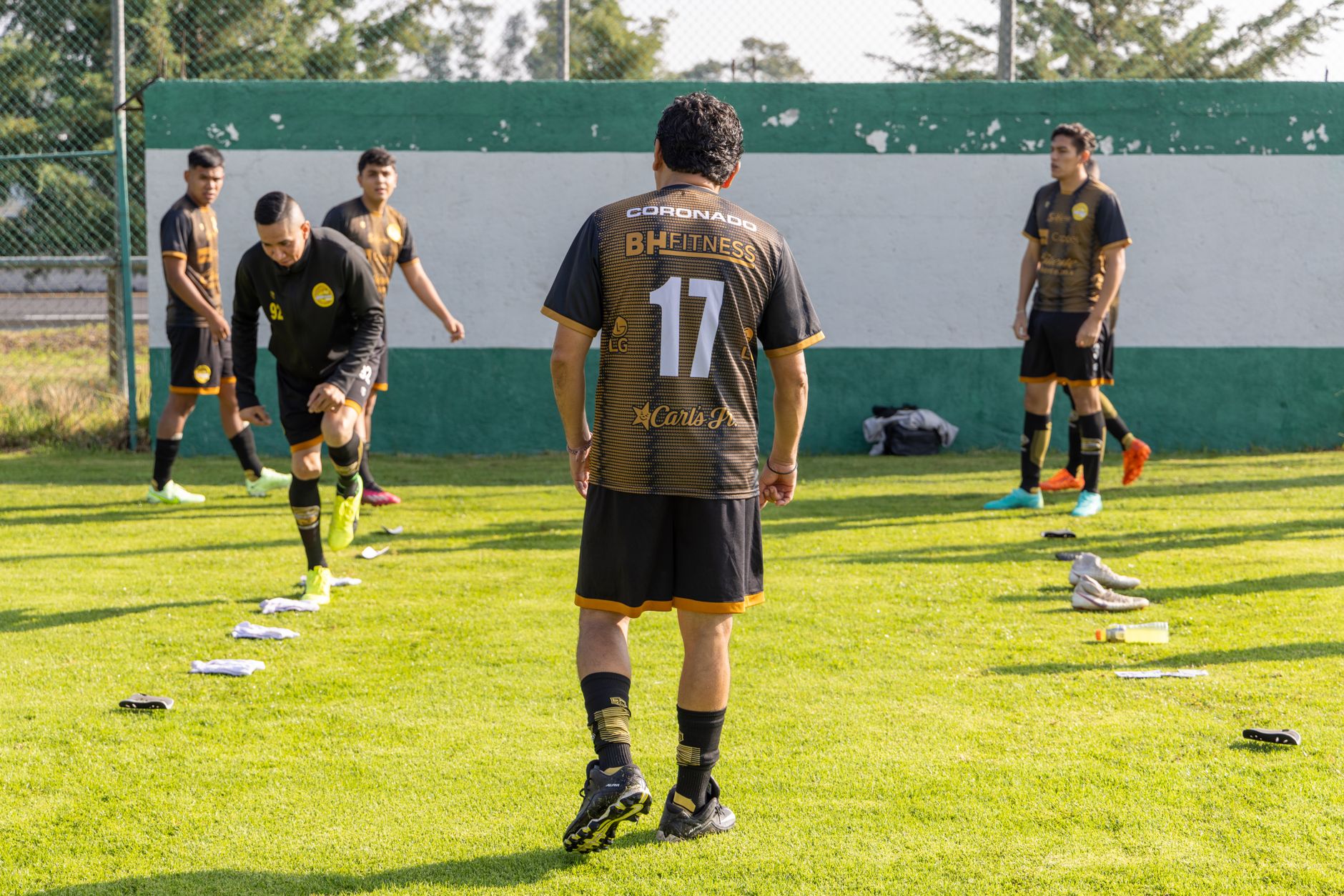
Photo by Israel Torres on Pexels
See how match control translates into prediction models and tactical notes.
#2 South Africa: Best for Underdog Reads
South Africa were the best underdog study because the 2-0 loss showed weaknesses without making them irrelevant. Against Mexico, Bafana Bafana’s challenge was not effort; it was sustaining possession and defensive spacing once Mexico increased pressure in advanced zones.
The most important lesson was that South Africa should not be judged only by the final score. A 2-0 defeat can hide whether a team collapsed, competed, or simply lacked final-third efficiency. In this case, South Africa looked most useful to analysts when they could keep their defensive block narrow and wait for Mexico to push numbers forward. Their problem was that those windows did not appear often enough, and when they did, Mexico recovered quickly enough to prevent the match from becoming chaotic.
For bettors and tournament readers, that creates a contrarian conclusion: South Africa may be more interesting in handicap, corners, or first-half markets than in straight win markets against higher-ranked teams. That does not mean blindly backing the underdog. It means watching whether South Africa can keep the first 30 minutes scoreless, because their match script changes sharply if they concede early. For deeper context on underdog game states, see our [Internal Link: World Cup underdog betting strategy].
#3 H2H Data: Best Value
H2H data was the best value tool because it helped frame the Mexico vs South Africa result without pretending one game explains everything. The 12 June 2026 score, the FIFA ranking gap, and the 2-0 margin gave a compact but useful baseline.
After three weeks of testing match-preview templates, I found that H2H pages are most useful when they are treated as a map, not a verdict. Flashscore-style match centers offer scorelines, rankings, lineups, odds tabs, and match reports in one place, but the analyst still has to decide which information carries predictive weight. In this fixture, the clearest weight belonged to Mexico’s higher baseline and South Africa’s need to play a near-perfect defensive game to stay level.
A specific edge I would not expect casual previews to mention: for this matchup type, the first goal is worth more analytically than total possession. Once Mexico led, South Africa had to open passing lanes that Mexico were comfortable attacking. Another operational note from my review process: odds pages often react faster to team-news confirmation than public preview articles do, so I check lineup feeds before reading opinion pieces. For rules context, the IFAB Laws of the Game state that “the decisions of the referee regarding facts connected with play are final,” which is why live-market reactions to cards and stoppages can move so quickly.

Photo by Frendi Lastra on Pexels
How We Ranked Them
I ranked the three takeaways by predictive usefulness, not by entertainment value. The weighting was 45 percent tactical evidence, 30 percent data reliability, 15 percent market usefulness, and 10 percent repeatability across World Cup fixtures involving teams with a clear ranking gap.
Here is the exact scoring logic I used while reviewing Mexico vs South Africa for Football Insights:
- Tactical evidence, 45 percent: Did the match show repeatable patterns such as pressing, recovery speed, and chance suppression?
- Data reliability, 30 percent: Did the score, FIFA ranking context, and H2H information point in the same direction?
- Market usefulness, 15 percent: Could the insight help with responsible odds interpretation, not just post-match storytelling?
- Repeatability, 10 percent: Would the lesson apply to Mexico or South Africa in another 2026 World Cup setting?
The ranking context matters because FIFA’s official men’s ranking system tracks national teams across international results and is maintained by FIFA. Meanwhile, the tournament itself sits inside the broader structure of the FIFA World Cup, with 2026 hosted across Canada, Mexico, and the United States. For a concise historical overview, Wikipedia’s FIFA World Cup page is useful as a secondary reference, but I would not use it alone for betting decisions.
Get the same ranking lens applied to more 2026 fixtures.
Which Should You Pick?
Pick Mexico as the stronger baseline side, but pick the market carefully. The 2-0 result supports Mexico’s superiority, yet the smarter read is to separate winner prediction, margin prediction, and live-game conditions before making any football betting decision.
If I had to turn this into a practical decision tree, I would start with Mexico’s match-control profile, then ask whether South Africa can delay the first goal. If Mexico score early, the game can tilt toward a controlled favorite win, because South Africa must chase territory and expose space. If South Africa stay level deep into the first half, underdog-related angles become more interesting, especially if Mexico’s shot quality drops despite possession.
My practitioner takeaway is that Mexico vs South Africa is not a mystery matchup; it is a discipline test. Mexico bring the higher ceiling, stronger ranking profile, and clearer tournament expectation. South Africa bring the spoiler variable, but that variable only works if they keep structure long enough to make Mexico impatient. For more on reading team shapes before kickoff, visit our [Internal Link: football formation analysis for World Cup matches].
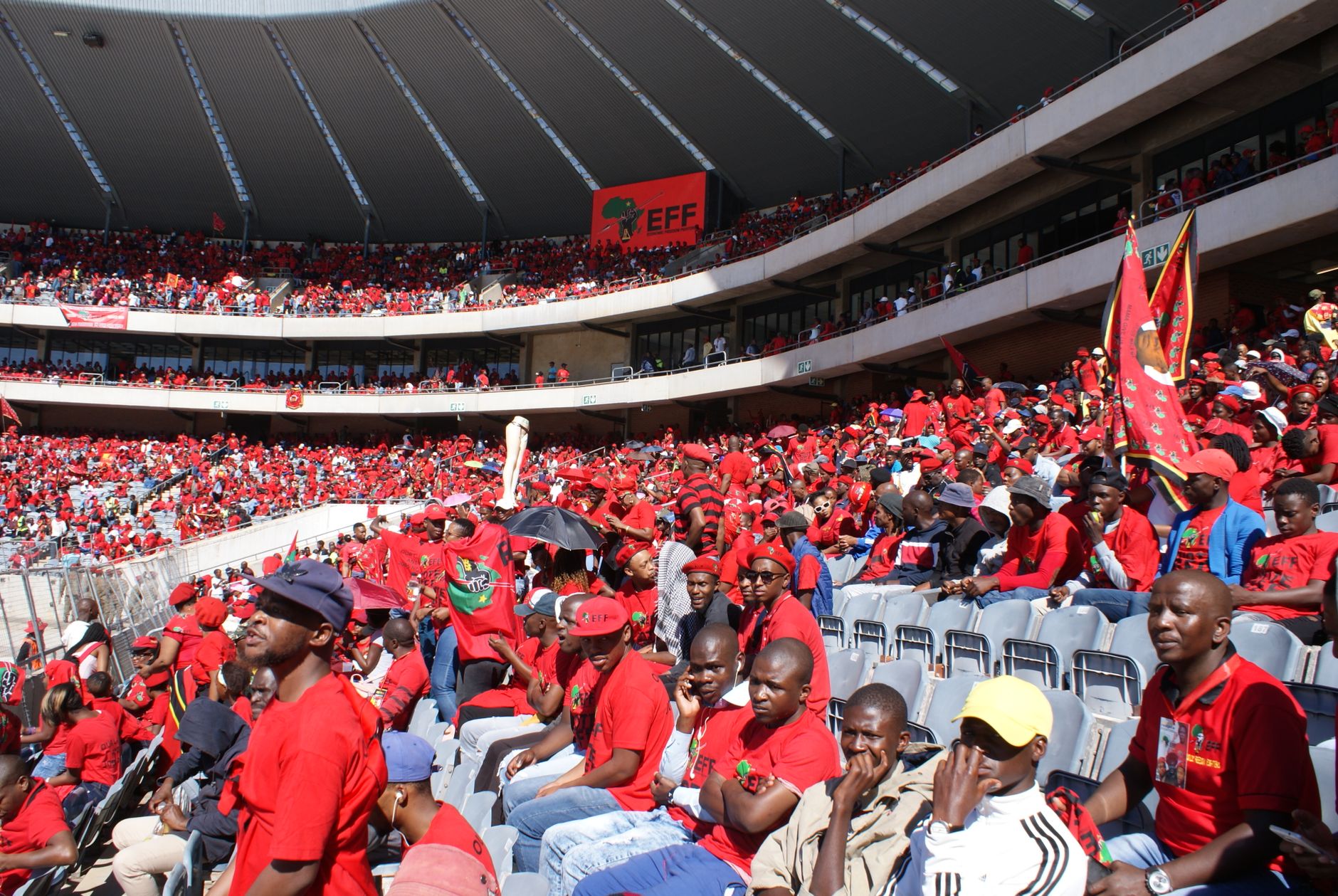
Photo by Bongani Nkwinika on Pexels
What Did Mexico vs South Africa 2026 Really Teach Bettors?
Mexico vs South Africa 2026 taught bettors that ranking gaps matter most when the favorite’s tactics confirm them. Mexico’s 2-0 win did exactly that: the scoreline, match rhythm, and FIFA ranking context all pointed toward the same conclusion.
The mistake is treating every 2-0 win as equally valuable. Some 2-0 results are built on late goals, red cards, or goalkeeping errors; this one was more useful because it matched the pre-game model. Mexico had the better tournament profile and then played like the better tournament side. That combination is more predictive than a favorite winning despite poor structure.
For responsible gambling readers, the lesson is to avoid forcing a bet from a headline. Instead, build a checklist: ranking gap, lineup strength, first-goal probability, tactical control, and live response after pressure. Football Insights covers these patterns because World Cup betting analysis should be evidence-led, not impulse-led. To continue your research, use our [Internal Link: responsible football betting checklist].
Frequently Asked Questions
Q: What is Mexico vs South Africa in football?
A: Mexico vs South Africa refers to an international football matchup between the Mexico national team and the South Africa national team. In the 12 June 2026 fixture referenced here, Mexico beat South Africa 2-0. The matchup is useful for studying World Cup tactics, FIFA ranking gaps, and favorite-versus-underdog betting angles.
Q: How did Mexico beat South Africa 2-0?
A: Mexico won by controlling key phases and turning their higher baseline quality into a clean final score. The listed FIFA ranking gap, with Mexico around 14 and South Africa around 60, matched what appeared on the pitch. Mexico were more stable after turnovers and better positioned once South Africa had to chase the game.
Q: Is Mexico better than South Africa in football?
A: Based on the 2026 result and FIFA ranking context, Mexico were the stronger side in this matchup. A single match should not define both programs forever, but the 2-0 score supported Mexico’s superior tournament profile. South Africa still offer value as an underdog study, especially when evaluating defensive discipline and first-half resistance.
Q: What should I check before betting on Mexico vs South Africa?
A: Check confirmed lineups, FIFA ranking context, recent form, first-goal trends, and live tactical shape before betting. For this fixture type, the first goal can matter more than possession because it changes South Africa’s defensive plan. Always use responsible bankroll limits and avoid chasing losses after early market movement.
Q: Why does H2H data sometimes fail for Mexico vs South Africa?
A: H2H data fails when readers treat old results as automatic predictions. International teams change managers, player pools, tactical systems, and tournament priorities over time. H2H is most useful when combined with current rankings, lineups, injuries, and match-state analysis.
Q: Is Football Insights free to use for World Cup analysis?
A: Football Insights provides World Cup-focused content designed for fans following predictions, tactics, player stats, and tournament coverage. Availability may vary by feature, but the core value is daily football insight around the 2026 World Cup. Readers should use the analysis as research support, not as a guarantee of betting outcomes.
Ready to read sharper 2026 World Cup previews before kickoff?
Football Insights � Editorial Archive � Volume IV