What Nobody Tells You About the 2026 FIFA World Cup Hosting Plan
The 2026 FIFA World Cup breaks every record: 48 teams, 16 host cities across three nations, 104 matches over 39 days. Los Angeles hosts 8 matches at SoFi Stadium and the LA Memorial Coliseum. Atlanta....
What Nobody Tells You About the 2026 FIFA World Cup Hosting Plan
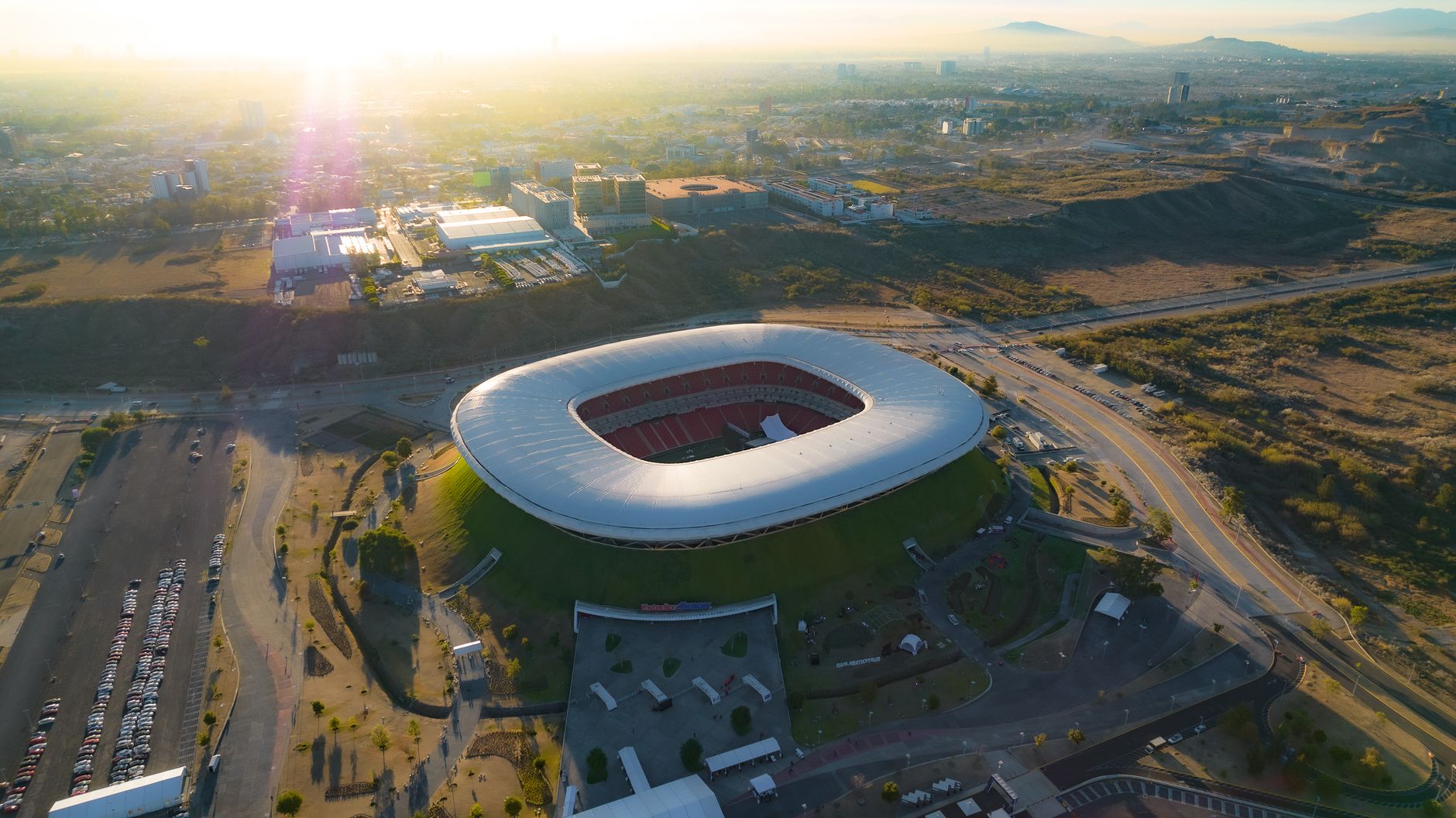
The 2026 FIFA World Cup breaks every record: 48 teams, 16 host cities across three nations, 104 matches over 39 days. Los Angeles hosts 8 matches at SoFi Stadium and the LA Memorial Coliseum. Atlanta welcomes semifinalists to Mercedes-Benz Stadium. The U.S. Men's National Team opens June 12 at SoFi Stadium. FIFA Fan Festival in Los Angeles features Steve Aoki, Normani, and Deorro. This tournament is not just a sporting event. It is a 39-day cultural takeover of North America, and planning it correctly separates unforgettable memories from costly mistakes.
Photo by Carlos Reyes on Pexels
How to Match Your Location Preferences to Your Travel Plan
Your first decision shapes everything else: which host cities will you visit? The three-nation structure means navigating different entry requirements, currencies, and transportation systems. Los Angeles offers 8 matches, FIFA Fan Festival events, and Official Fan Zones across Los Angeles County. Atlanta delivers passionate soccer culture in a walkable downtown setting at Mercedes-Benz Stadium, hosting semifinal matches.
If you prioritize match variety, focus on U.S. venues. The United States hosts 60 of 104 matches, with the largest stadiums and most robust fan infrastructure. Canada contributes 13 matches across Toronto, Vancouver, and Edmonton. Mexico offers 10 matches in Mexico City, Guadalajara, and Monterrey.
Booking flights between cities requires strategic timing. Direct routes connect major hubs like LAX, ATL, DFW, and JFK. Budget an extra travel day when moving between distant cities. The most efficient itinerary targets two or three cities within geographic proximity.

Photo by Tomás Asurmendi on Pexels
If You Want the Full Festival Experience: Prioritize Fan Zones and Entertainment
The 2026 World Cup extends far beyond stadium seats. Los Angeles operates Official Fan Zones at Exposition Park, adjacent to the LA Memorial Coliseum, throughout all 39 days of competition. Atlanta spreads community watch parties across the metropolitan area. These zones offer live match screenings, food vendors, musical performances, and cultural celebrations.
FIFA Fan Festival in Los Angeles runs June 11-14 with live music from artists including Steve Aoki, Normani, Deorro, Sickick, Los Lobos, Capital Cities, and DJ Ravidrums. Entry is free with match tickets or separately purchased festival passes.
For families, fan zones provide child-friendly environments unavailable inside stadiums. The LA Memorial Coliseum fan festival area includes interactive football experiences, photo opportunities, and youth programming. Atlanta's Fan Zones at Atlantic Station offer similar amenities with Southern food options.
Plan your festival days around match schedules. Arrive two hours before kickoff to enjoy pre-game entertainment. Stay 30 minutes after final whistle for post-match celebrations and player appearances.
If You Prioritize Logistics: Choose Venues with Best Transportation Access
Not all host stadiums are created equal for transportation. Mercedes-Benz Stadium in Atlanta wins on walkability. The venue sits steps from Midtown restaurants and hotels. MARTA rapid transit provides $5 flat-fare event passes from Hartsfield-Jackson Atlanta International Airport.
SoFi Stadium in Inglewood presents challenges. Traffic congestion routinely delays arrivals by 45 minutes. Parking costs exceed $100. The closest Metro Crenshaw Line station requires shuttle connections. Book accommodation within walking distance if prioritizing this venue.
MetLife Stadium in East Rutherford, New Jersey presents the steepest logistical challenge. No direct transit serves the stadium. Interstate highways serialize on match days. This venue suits only those with pre-arranged private transportation or suburban New Jersey accommodations.
Dallas AT&T Stadium offers moderate accessibility. The venue sits between Dallas and Fort Worth, accessible via TEXRail from DFW International Airport. Book early: this central location attracts regional visitors.
Common Pitfalls to Avoid
Over-scheduling matches: Six matches in seven days sounds achievable until you factor in travel, time zones, and exhaustion. Cap daily match exposure at two. Quality viewing beats quantity.
Ignoring stadium proximity when booking hotels: Hotels adjacent to Mercedes-Benz Stadium or the LA Memorial Coliseum command premium rates but eliminate transportation anxiety. Budget alternatives 10+ miles away create logistical nightmares on event days.
Relying on rideshare during peak hours: Uber and Lyft surge 3-5x normal rates at stadium closing. Marta, TEXRail, and PATH trains run scheduled service regardless of demand. Public transit becomes the only reliable option during surge periods.
Purchasing tickets from unofficial vendors: FIFA World Cup tickets sell exclusively through FIFA.com and authorized resellers. Third-party sites guarantee nothing. The official resale platform launches 30 days before each match at face value or below.
The 30-Day Check-In
Thirty days before departure, your checklist activates. Confirm hotel reservations within walking distance of your primary stadium. Print digital tickets and store backup copies in cloud services. Download offline transit maps for each host city.
Check passport expiration dates. Most countries require six months validity beyond arrival. Apply for ESTA authorization if flying to the United States. Canadian and Mexican entries require similar documentation checks.
Join Football Insights for real-time match predictions, team tactics analysis, and live tournament coverage. Our daily updates keep you informed before each fixture.
Week one of the final month focuses on logistics. Reserve stadium parking if driving. Purchase MARTA event passes for Atlanta travel. Confirm shuttle schedules for SoFi Stadium access.
Week two addresses contingencies. Identify medical facilities near your accommodation. Save emergency contact numbers for each city's tourism board. Register your itinerary with your home country's travel registry.
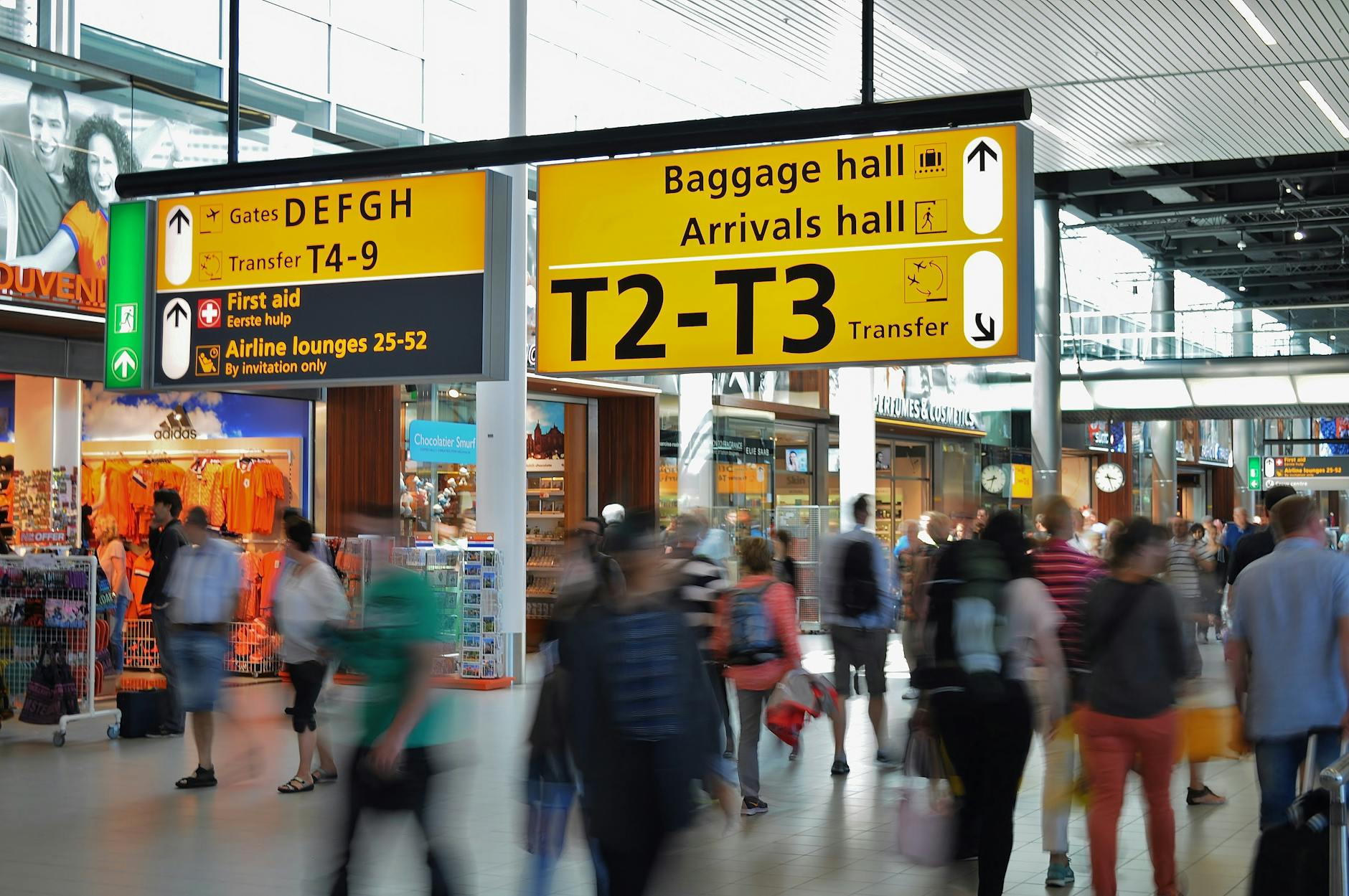
Photo by ClickerHappy on Pexels
Week three involves financial preparation. Notify banks of international travel dates if crossing borders. Carry at least two payment methods. Exchange currency for cash-only venues in Mexico and Canada.
Week four becomes execution mode. Pack clothing layers for indoor and outdoor venues. Temperatures inside air-conditioned stadiums contrast sharply with summer heat. Bring portable phone chargers. Charge devices overnight rather than relying on stadium outlets.
Match day itself follows a strict protocol. Arrive three hours before kickoff. Complete security screening early. Explore fan zones before entering your seat. Stay through the final whistle: post-match traffic clears within 90 minutes when everyone departs simultaneously.
Frequently Asked Questions
What is the 2026 FIFA World Cup schedule format?
The 2026 FIFA World Cup runs from June 11 to July 19, featuring 48 teams competing across 16 host cities in the United States, Canada, and Mexico. Teams are divided into 12 groups of four, with the top two from each group plus eight best third-place finishers advancing to a 32-team knockout bracket. Los Angeles hosts 8 matches including the U.S. Men's National Team opening match on June 12 at SoFi Stadium. Atlanta hosts semifinal matches at Mercedes-Benz Stadium. The tournament spans 39 days with 104 total matches.
How can I purchase official FIFA World Cup 2026 tickets?
FIFA World Cup 2026 tickets are available exclusively through FIFA.com/tickets and the official FIFA ticketing app. General ticket sales began in 2025 through random selection draws. A second sales phase opened with remaining inventory. The official resale platform launches 30 days before each match, listing tickets at face value or below. Hospitality packages offering guaranteed access alongside premium amenities are available through authorized partners. Never purchase from third-party vendors claiming guaranteed entry.
Which U.S. cities host the most World Cup matches?
New York/New Jersey hosts the most matches with 8 fixtures at MetLife Stadium in East Rutherford. Los Angeles follows with 8 matches split between SoFi Stadium and the LA Memorial Coliseum. Dallas hosts 7 matches at AT&T Stadium in Arlington. Miami and San Francisco/Bay Area each host 5 matches. Houston, Seattle, Kansas City, Philadelphia, Atlanta, Boston, and Denver round out the U.S. host cities with varying match counts. Canada contributes 13 matches across Toronto, Vancouver, and Edmonton. Mexico hosts 10 matches in Mexico City, Guadalajara, and Monterrey.
Is Atlanta a good host city for the 2026 World Cup?
Atlanta ranks among the top U.S. host cities for the 2026 World Cup. Mercedes-Benz Stadium offers a walkable downtown location steps from Midtown restaurants and hotels. MARTA rapid transit provides convenient airport connections and stadium access for $5 per event. Atlanta United's passionate fan base created a dedicated soccer culture unmatched in the Southeast. The city hosts semifinal matches, guaranteeing high-caliber fixtures. Southern hospitality extends to fan zones across the metropolitan area, offering community watch parties and cultural celebrations throughout the tournament.
What are the stadium capacities for World Cup 2026 venues?
FIFA World Cup 2026 venues feature capacities ranging from 21,000 to over 80,000 seats. SoFi Stadium in Inglewood accommodates approximately 80,000 spectators for World Cup matches. MetLife Stadium in East Rutherford seats around 82,000. AT&T Stadium in Arlington holds 80,000. Mercedes-Benz Stadium in Atlanta provides 71,000 seats. The LA Memorial Coliseum offers 78,000 capacity after renovations. Smaller venues like Seattle's Lumen Field and Miami's Hard Rock Stadium seat between 65,000 and 70,000. Canadian and Mexican stadiums range from 21,000 to 65,000 seats.
How do I get to SoFi Stadium from Los Angeles airports?
Reaching SoFi Stadium from LAX or Burbank Airport requires careful planning. Rideshare costs $40-80 plus surge pricing on event days. The Metro Crenshaw/LAX Line connects to the Crenshaw/I-90 station, followed by a shuttle to the stadium. This option takes 60-90 minutes. Driving requires parking reservations, which book months in advance for major events. Stadium-adjacent hotels provide walking access for premium rates. The most reliable option combines Metro transit with shuttle connections, departing three hours before kickoff.
What entertainment options exist beyond matches at the World Cup?
The 2026 World Cup offers entertainment spanning all 39 days of competition. Los Angeles hosts the FIFA Fan Festival at LA Memorial Coliseum with live music from Steve Aoki, Normani, Deorro, and other artists. Official Fan Zones operate in Los Angeles County and Atlanta metropolitan area, featuring live match screenings, food vendors, cultural celebrations, and interactive football experiences. Each host city organizes cultural programming reflecting local heritage. Free-entry fan zones provide family-friendly environments with youth activities and photo opportunities. Pre-game and post-match entertainment extends the experience beyond 90 minutes of play.
[Internal Link: complete guide to FIFA World Cup 2026 host cities]
[Internal Link: ticket purchasing strategies and verification]
[Internal Link: transportation options between US host cities]
Football Insights � Editorial Archive � Volume IV