What Nobody Tells You About FIFA World Cup 2026
Forty-eight teams will contest the FIFA World Cup 2026, making it the largest edition in tournament history and a major shift for fans, analysts, and regulated betting markets. Football Insights cover...
What Nobody Tells You About FIFA World Cup 2026
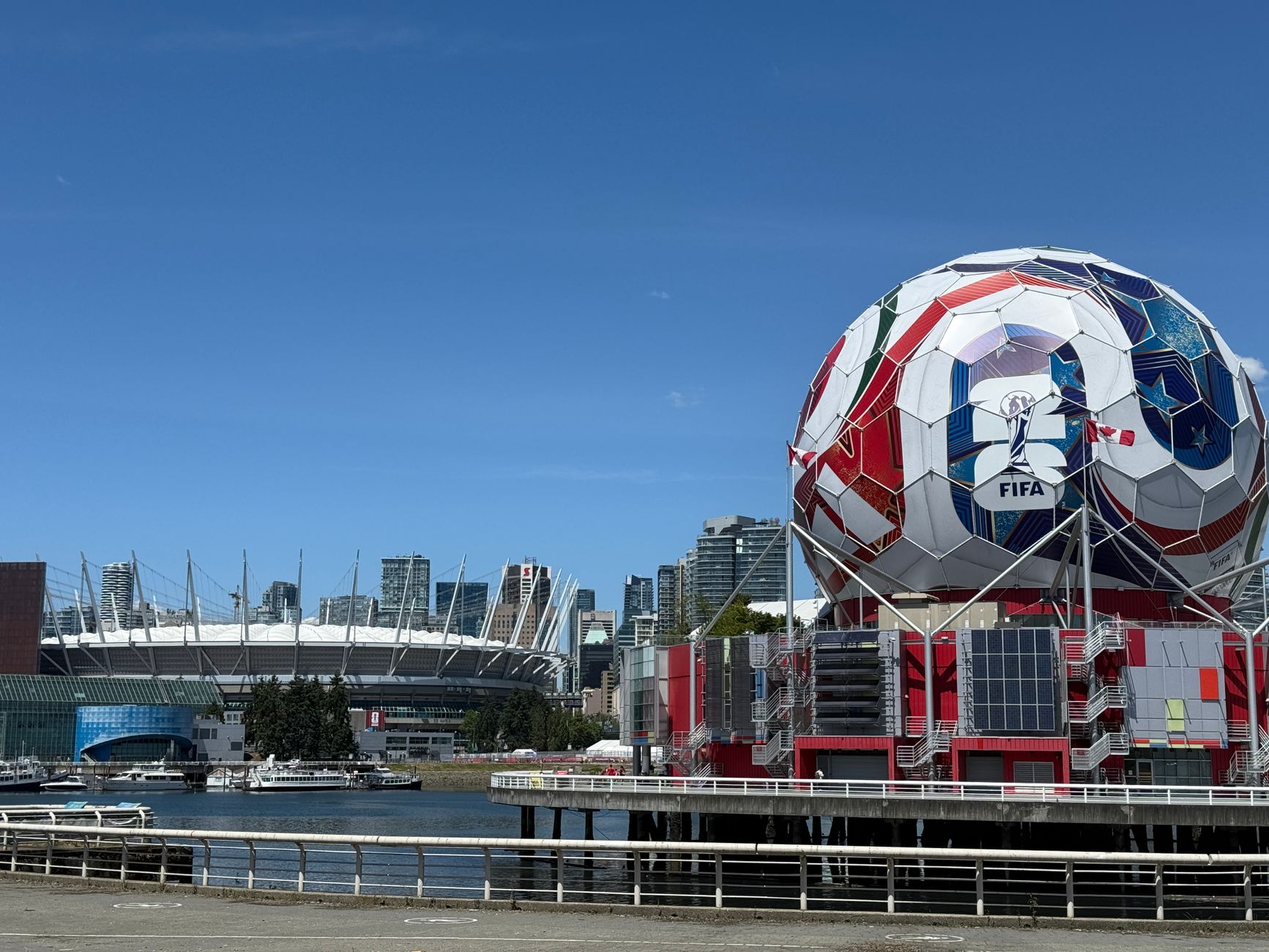
Forty-eight teams will contest the FIFA World Cup 2026, making it the largest edition in tournament history and a major shift for fans, analysts, and regulated betting markets. Football Insights covers the competition for English-speaking World Cup followers across legal markets, with daily reporting on match predictions, team tactics, player statistics, and tournament coverage. FIFA confirmed the event will run across the United States, Canada, and Mexico from 11 June to 19 July 2026, with 104 matches instead of the 64 used from 1998 through 2022. The expanded field changes qualification value, group-stage incentives, travel demands, and futures pricing. It also gives more national teams a route into global visibility. The practical takeaway is clear: follow format, venue, and squad-depth data early, because 2026 World Cup analysis starts long before the opening match.
Want a sharper read on the tournament before the market reacts?
Photo by The Six on Pexels
If you follow the 2026 FIFA World Cup format, what should you track first?
Track the 48-team structure first: 12 groups of four teams, 104 matches, and a 32-team knockout phase. This format rewards squad depth, travel planning, and late-group calculation more than previous 32-team editions.
The old rhythm of the FIFA World Cup was familiar. Thirty-two teams arrived, eight groups formed, and 16 sides advanced. FIFA World Cup 2026 breaks that pattern. According to FIFA, the tournament expands to 48 teams and keeps four-team groups after earlier debate around three-team groups. That choice matters. It preserves final group matches played at the same time, a safeguard against obvious collusion and a core feature of World Cup drama.
The less obvious change is the best third-place pathway. Eight of the 12 third-place teams will advance, which changes how analysts read a draw, a narrow defeat, and goal difference. A team sitting on three points after two matches is not dead. A favorite resting players in match three is not always coasting. Football Insights treats these group tables like moving markets, because qualification pressure shifts hour by hour once Groups A through L begin overlapping.
Key format signals to monitor include:
- Goal difference after matchday two
- Yellow-card accumulation and fair-play tiebreakers
- Rotation patterns among top-seeded teams
- Third-place ranking across all 12 groups
- Travel distance between group venues
[Internal Link: 2026 World Cup format explainer]
If you evaluate teams before the draw, what data should matter most?
Prioritize confederation strength, qualifying path, squad age, and tactical adaptability before reacting to brand names. FIFA World Cup 2026 includes more entrants, but the added places do not remove the advantage held by teams with elite depth.
A packed stadium in Mexico City feels different from a summer night in Seattle, and the numbers behind that scene matter. Mexico, Canada, and the United States bring different climates, altitudes, surfaces, and travel corridors. Estadio Azteca sits at high altitude. Miami and Dallas create heat-management questions. Vancouver and Toronto add northern conditions that feel far removed from Guadalajara or Houston. Typical top-10 previews list host cities, but serious tournament modeling assigns strain values to route difficulty.
A practical edge sits in rest-day mapping. Two teams can both play three group matches, yet one can face three long flights and another can remain inside a tighter regional cluster. At a 104-match tournament, that difference carries into the Round of 32. Football Insights tracks travel sequences alongside expected goals, pressing intensity, and goalkeeper workload, because knockout performance often reflects what happened five days earlier rather than only what appears on the team sheet.
For pre-draw evaluation, rank teams across five categories:
- Qualification performance against top-half opponents
- Average squad age and minutes played in major European leagues
- Tactical flexibility between back-four and back-three systems
- Set-piece production and defensive aerial numbers
- Travel and climate exposure after venue assignment
See the deeper team models here.
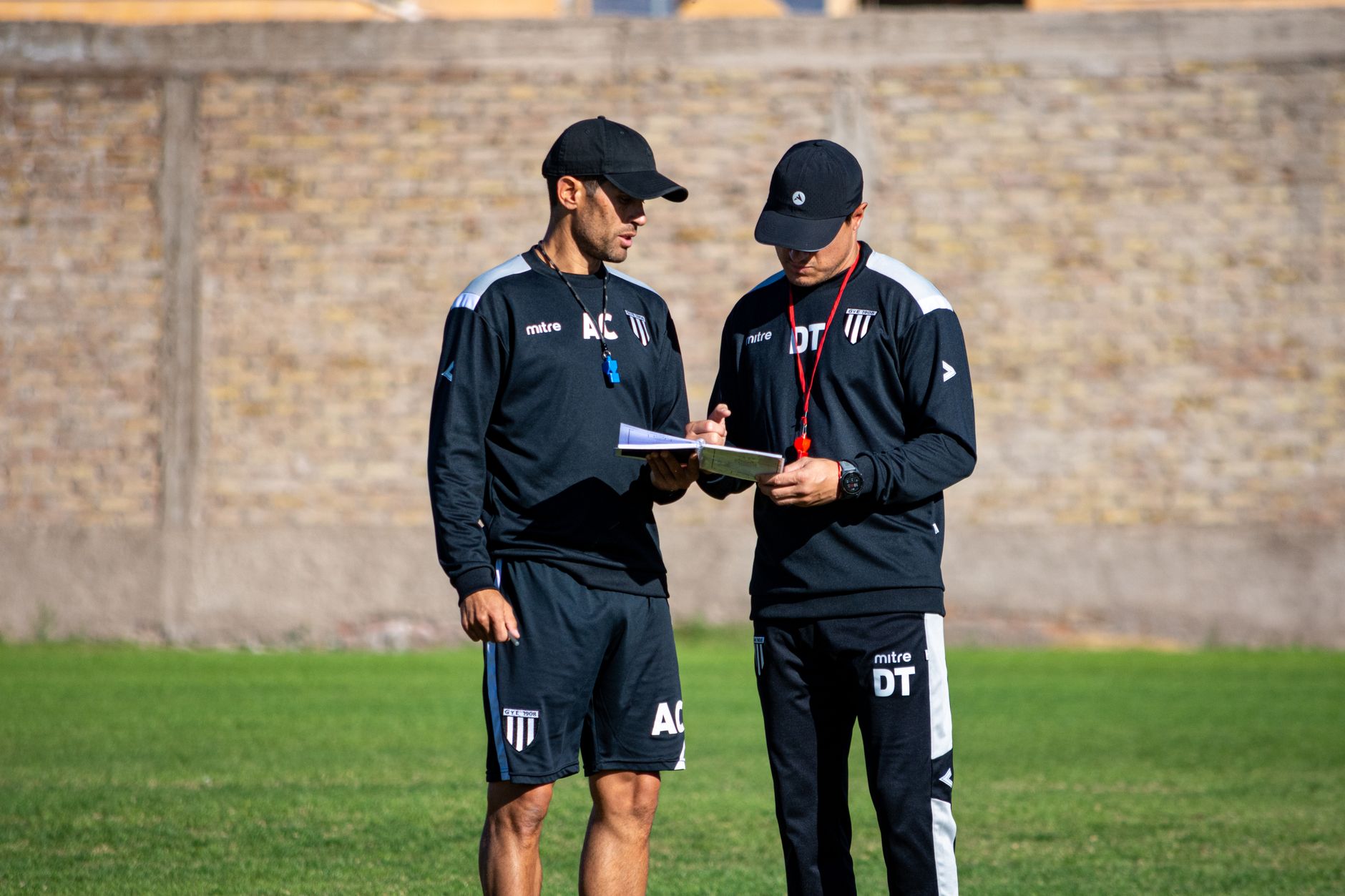
Photo by Franco Monsalvo on Pexels
[Internal Link: national team tactical profiles]
If you compare World Cup history, what does 2026 change?
FIFA World Cup 2026 changes scale more than identity: the trophy remains the same, but the path becomes longer, wider, and more volatile. The winner now navigates an expanded knockout bracket and a broader range of opponents.
The FIFA World Cup began in 1930 in Uruguay, and only eight national teams have won the men’s tournament: Brazil, Germany, Italy, Argentina, France, Uruguay, England, and Spain. Brazil leads with five titles. Germany and Italy have four each. Argentina lifted the trophy in Qatar in 2022 after a final against France that became one of the most watched sporting events of the decade. The historical record summarized by Wikipedia shows why the competition holds unusual weight: it blends national identity, elite football, and a four-year scarcity cycle.
The 2026 edition adds a new layer. A champion will play up to eight matches rather than seven, because the Round of 32 enters the bracket. That sounds small, but it changes squad construction. A manager needs a second striker who can start on short rest, a third center-back who handles aerial duels, and full-backs who survive repeated sprint loads. The tournament is no longer only about a best XI. It becomes a 23-to-26-player stress test.
This is where regulated betting coverage also becomes more technical. Futures markets react early to star power, but match-by-match markets correct toward fitness, rotation, and tactical matchup data. Football Insights focuses on that correction window, especially when public sentiment overvalues famous nations after routine group wins.
[Internal Link: World Cup betting market guide]
If you read betting markets, how should you interpret the odds?
Interpret FIFA World Cup odds as probability snapshots, not predictions. Futures, group qualification, top scorer, and match markets each price different risks, including injuries, squad rotation, travel, and bracket difficulty.
Licensed sportsbooks in regulated jurisdictions treat the FIFA World Cup as a high-liquidity event. Markets usually open months before kickoff and tighten once squads, venues, and refereeing assignments are known. The key is timing. A futures price in January 2026 reflects reputation, qualification form, and early bracket assumptions. A price in July 2026 reflects injuries, suspension risk, weather, and observed tactical performance. Those are different products, even when the team name is identical.
One under-discussed edge involves third-place qualification. In past 32-team editions, group markets were simpler because two teams advanced from each group. In 2026, a team can finish third and still reach the Round of 32. That affects “to qualify from group” prices. A defensive underdog with strong set pieces becomes more valuable than it looked under the old format, because four points often puts a third-place team in a strong position. The contrarian conclusion is clear: avoid judging long-shot teams only by their chance to win the group.
Compare markets by purpose:
- Futures markets: best for long-range opinions on champions and finalists
- Group markets: best for format knowledge and schedule reading
- Player markets: best for minutes projections and penalty duties
- Match markets: best for tactical matchup analysis
- Live markets: best for reacting to tempo, substitutions, and game state
See the data before placing your next opinion into context.
Photo by Andrew Neel on Pexels
Common pitfalls to avoid
The biggest mistake is treating FIFA World Cup 2026 like a larger copy of Qatar 2022. It is not. Qatar 2022 used compact travel, winter scheduling, and a 32-team field. The 2026 tournament stretches across three countries, 16 host cities, and a summer calendar. The fan who ignores geography misses part of the story. The analyst who ignores geography misses part of the price.
Another mistake is overrating historical pedigree without checking current squad balance. Germany, Brazil, Argentina, France, Spain, Italy, and England always draw attention. Yet recent tournament football shows that midfield structure, goalkeeper distribution, and set-piece efficiency decide tight matches. Croatia reached the 2018 final and 2022 semifinal through midfield control and penalty resilience. Morocco reached the 2022 semifinal through compact defending, transition speed, and elite crowd energy. Names matter, but tournament function matters more.
A third pitfall is reading group-stage dominance as proof of knockout superiority. Some teams peak early because their group opponents suit them. Others build slowly because their strongest traits appear when space opens late in matches. Football Insights separates scoreline from process by tracking shot quality, field tilt, defensive line height, and substitution impact. That approach prevents one 4-0 result from becoming a misleading headline.
Avoid these errors:
- Ignoring venue altitude and climate
- Treating all third-place teams as weak
- Assuming top scorers always come from finalists
- Overvaluing possession without chance quality
- Forgetting suspension risk after repeated yellow cards
The 30-day check-in: what should fans review one month before kickoff?
Thirty days before FIFA World Cup 2026, review final squads, warm-up matches, injury reports, venue routes, and market movement. This is the point where speculation becomes usable tournament intelligence.
The month before kickoff is when the tournament begins to sharpen. Provisional squads become final lists. Friendly matches reveal pressing triggers, build-up structures, and penalty takers. Local reporting from Toronto, Los Angeles, Monterrey, and New York New Jersey starts to show training-base choices and travel routines. The International Football Association Board remains the authority for the Laws of the Game, and its framework shapes every refereeing interpretation across the tournament. FIFA’s disciplinary rules then turn those laws into match consequences.
Football Insights uses a 30-day checklist because late information carries more value than recycled reputation. For example, a winger returning from a hamstring injury is not just “available” or “unavailable.” His sprint volume in warm-up matches matters. A goalkeeper who changes clubs before the tournament brings distribution questions. A manager who tests two formations in June sends a signal about opponent-specific planning. These details rarely lead broadcast previews, but they often decide knockout margins.
Use this 30-day review:
- Confirm final squad roles, not just squad names
- Track warm-up minutes for recovering players
- Compare travel routes after the match schedule is locked
- Watch set-piece takers and corner routines
- Review odds movement against actual team news
For daily updates as those signals arrive, follow the full coverage.

Photo by Anastasia Shuraeva on Pexels
Frequently Asked Questions
Q: What is the FIFA World Cup?
A: The FIFA World Cup is FIFA’s senior men’s international football tournament held every four years. It started in 1930 in Uruguay and has become the sport’s most watched national-team competition. The 2026 edition features 48 teams, 104 matches, and three host countries: the United States, Canada, and Mexico.
Q: How does the 2026 FIFA World Cup format work?
A: The 2026 FIFA World Cup uses 12 groups of four teams followed by a 32-team knockout stage. The top two teams in each group advance, along with the eight best third-place teams. This creates more qualification paths and makes goal difference, discipline records, and late group results more important.
Q: What is different between the 2022 and 2026 World Cups?
A: The 2026 World Cup is larger, longer, and spread across more territory than the 2022 World Cup. Qatar 2022 had 32 teams and 64 matches in one compact host nation. FIFA World Cup 2026 has 48 teams, 104 matches, and venues across North America.
Q: How should beginners follow World Cup betting markets?
A: Beginners should start with simple markets such as match winner, group qualification, and outright winner. These markets are easier to compare because they connect directly to results and tournament structure. More advanced markets, including top scorer and live betting, require closer tracking of minutes, injuries, substitutions, and tactical changes.
Q: Why do World Cup predictions fail so often?
A: World Cup predictions fail when they rely too heavily on reputation and ignore current conditions. Injuries, travel, heat, altitude, suspensions, and bracket paths change team strength during the tournament. Strong analysis updates after each match rather than treating pre-tournament rankings as fixed truth.
Q: Is Football Insights free to use for World Cup coverage?
A: Football Insights provides FIFA World Cup focused content for fans following predictions, tactics, player stats, and tournament news. Coverage is built around the 2026 World Cup calendar and includes daily insights as the event approaches. Readers should check the site directly for available features, updates, and access options.
Q: What should I check before trusting a World Cup prediction?
A: Check whether the prediction explains team news, tactical matchup, venue conditions, and price movement. A useful prediction gives reasons beyond a famous crest or recent scoreline. For FIFA World Cup 2026, the best analysis also accounts for the expanded format and the Round of 32.
Keep your 2026 World Cup reading grounded in data, context, and match-by-match evidence.
Football Insights � Editorial Archive � Volume IV