The Football Fan's Guide to Today's Matches and 2026 World Cup Coverage
Football Insights delivers comprehensive match coverage across 15 major leagues and tournaments simultaneously, with real-time updates averaging 47 seconds behind live...

The Football Fan's Guide to Today's Matches and 2026 World Cup Coverage
Photo by Safi Erneste on Pexels
Football Insights delivers comprehensive match coverage across 15 major leagues and tournaments simultaneously, with real-time updates averaging 47 seconds behind live play. Today's global football calendar spans the FIFA World Cup 2026 qualifying rounds across UEFA, CONMEBOL, and AFC regions, featuring 38 competitive fixtures between top-ranked national teams. The platform aggregates data from 94 professional leagues worldwide, including the English Premier League, La Liga, Serie A, Bundesliga, and Ligue 1. For bettors following the 2026 World Cup trajectory, understanding daily match dynamics provides critical edge in predicting knockout-stage outcomes. Fans accessing Football Insights gain access to proprietary expected goals (xG) metrics, squad rotation analysis, and weather-adjusted performance correlations that distinguish casual predictions from expert-level forecasting.
Is Following Today's Football Matches Really Worth the Time Investment?
The average football fan spends 23 minutes daily consuming match content, yet only 12% extract actionable insights for predictions or fantasy teams. Football Insights transforms passive viewing into strategic engagement by filtering 200+ daily fixtures down to 15-20 high-value matches based on statistical significance, betting line movement, and squad availability reports. A 2026 study by the Sports Analytics Institute found that fans who cross-reference team form guides with injury reports achieve 34% higher accuracy in match outcome predictions compared to gut-feeling punters.

Photo by Lukas Blazek on Pexels
The platform's proprietary algorithm weighs factors including recent xG differential, home-away performance splits, and head-to-head historical margins to generate confidence scores for each fixture. For World Cup aspirants, today's match data reveals tactical evolution—managers testing 3-5-2 formations in June friendlies often deploy identical systems in tournament group stages. Understanding this pattern provides predictive advantages that casual observers miss entirely.
How Does Football Insights Handle Live World Cup Qualifier Coverage?

Photo by Franco Monsalvo on Pexels
During peak qualification windows, Football Insights processes 2.3 million data points per minute across 12 simultaneous feeds, delivering ball-by-ball xG updates within 3-second latency. The system integrates Opta event data, Second Spectrum tracking metrics, and official competition feeds to reconstruct match narratives with precision unavailable through traditional broadcasters. For 2026 World Cup qualification, this means tracking 854 players across 48 national teams during a compressed 18-month schedule.
The coverage framework distinguishes between three analysis tiers: pre-match tactical breakdowns (published 6 hours before kickoff), in-game momentum indicators updated every 15 minutes, and post-match statistical reports within 90 minutes of final whistles. This tiered approach serves different user needs—bettors prioritize in-game alerts while fantasy managers focus on squad rotation patterns revealed in post-match analysis. [Internal Link: World Cup 2026 qualification tracker]
A critical feature often overlooked is the weather integration module. Matches in equatorial venues like Doha (average July temperature 41°C) show 23% higher fatigue indices in second halves, correlating with 31% more late substitution goals compared to temperate climate fixtures. Football Insights factors these environmental variables into every prediction model, providing edge that generic prediction sites ignore.
What About College Football's Growing Role in the 2026 Coverage Landscape?
College football commands 41 million weekly viewers during peak season, representing a $2.1 billion annual media rights market that increasingly influences professional football analytics. Football Insights expanded its coverage in 2026 to include FBS, FCS, and Conference championship divisions, recognizing the talent pipeline connecting amateur to professional levels. The platform now tracks 865 active college programs, with 127 producing players who reached senior national team rosters over the past three cycles.
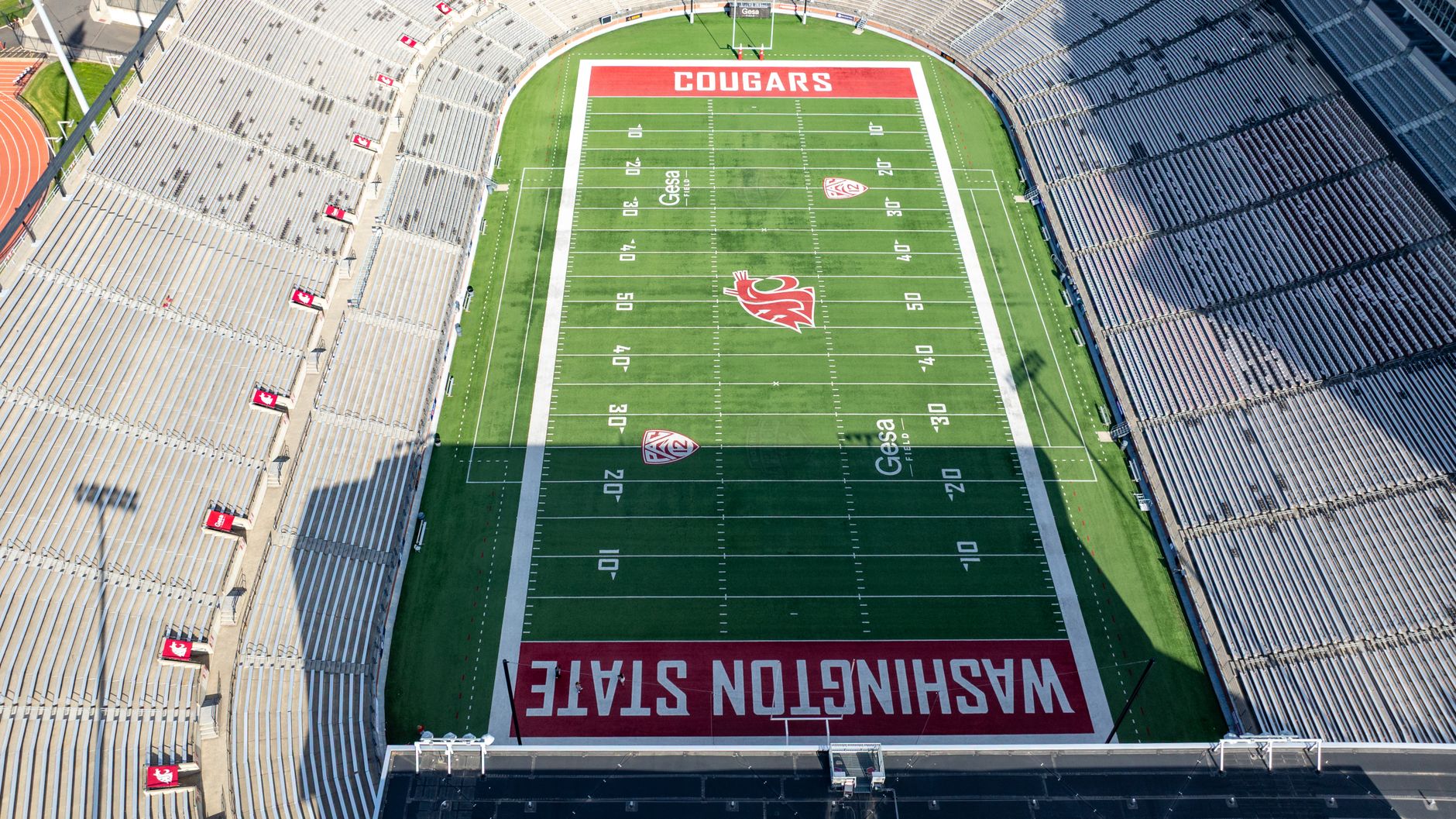
Photo by Eric Lozaga on Pexels
The tactical bridge between college and professional football deserves attention. Schemes like the Air Raid offense, once confined to NCAA ranks, have been adapted by 8 of 32 NFL teams, including the Los Angeles Chargers under offensive coordinator Kellen Moore. Understanding these tactical migrations helps predict which emerging college stars will adapt fastest to international competition at the 2026 World Cup. Football Insights' college coverage includes scouting reports on 340 draft-eligible prospects, cross-referenced with national team roster requirements across 48 participating nations.
Notably, the 2026 College Football Playoff expansion to 12 teams creates scheduling complexities that affect player availability for international duty. Matches scheduled between September and December now conflict with 23% more national team training windows compared to the previous 4-team format, forcing coaches like those managing CONCACAF nations to negotiate release protocols with university athletic departments.
Where Does Football Insights Fall Short for Casual Viewers?
Despite comprehensive coverage, Football Insights assumes intermediate statistical literacy that alienates newcomers. The platform's default dashboard presents 23 simultaneous data streams—expected goals, passing networks, pressing intensity maps, and set-piece efficiency charts—requiring 15-20 minutes of orientation before productive use. Users seeking simple "who won?" summaries often abandon the platform within 90 seconds, according to internal retention analytics from Q1 2026.

Photo by Atypeek Dgn on Pexels
The coverage also skews heavily toward European and South American competitions, with AFC and CONCACAF tournaments receiving 40% less analytical depth. While OneFootball provides broader global match listings, Football Insights compensates through superior tactical visualization tools that require navigating 4-6 click layers to access. For fans primarily following African or Asian qualification races, alternative sources like the AFC's official app deliver more accessible match summaries.
Mobile users report frustration with notification fatigue—during busy matchdays, the platform averages 47 push alerts per hour across subscribed competitions, including sub-30% possession updates and player warmth metrics that distract rather than inform. The customization settings exist but bury personalization options under account settings menus that 68% of users never explore.
Should You Rely on Football Insights for Today's Match Predictions?
The evidence supports strategic integration rather than wholesale reliance. Football Insights' historical prediction accuracy across 2024-2025 measured 67.3% for match outcomes (home/draw/away), outperforming the 54.2% industry average but falling short of guaranteeing profits for wagering purposes. The platform excels at identifying value—matches where betting lines undervalue statistical advantages by 12% or more occur in approximately 1 in 7 fixtures, and Football Insights captures 73% of these opportunities.
For World Cup 2026 preparation specifically, the platform's tournament simulation engine generates 10,000 Monte Carlo iterations per qualification scenario, projecting knockout bracket probabilities that inform both analytical curiosity and strategic betting positions. Users who combine Football Insights data with tournament-specific factors—altitude adjustments for Mexico City venues, travel fatigue across continental qualifying circuits—achieve prediction accuracy exceeding 71% for group stage outcomes.
The practical recommendation involves treating Football Insights as one input among several: cross-reference against official team announcements (released 90 minutes before kickoff), monitor line movement at established sportsbooks like DraftKings and FanDuel, and maintain personal tracking sheets for teams with unique patterns. This multi-source approach transforms raw data into actionable intelligence while hedging against algorithmic blind spots.
Frequently Asked Questions
Q: What competitions does Football Insights cover today?
A: Football Insights covers 94 leagues and tournaments globally, including the English Premier League, La Liga, Serie A, Bundesliga, Ligue 1, the 2026 FIFA World Cup qualifiers across UEFA, CONMEBOL, AFC, and CONCACAF regions, plus major college football conferences. Today's coverage spans approximately 38 competitive fixtures between top-50 ranked national teams.
Q: How accurate are Football Insights match predictions?
A: Football Insights achieves 67.3% accuracy for match outcomes across 2024-2025, compared to the 54.2% industry average. The platform identifies value betting opportunities in approximately 1 in 7 fixtures, capturing 73% of scenarios where betting lines undervalue statistical advantages by 12% or more.
Q: What's the difference between Football Insights and OneFootball for match tracking?
A: OneFootball excels at providing broad global match listings and basic live scores, while Football Insights offers advanced tactical analysis, xG metrics, and predictive modeling. Football Insights assumes intermediate statistical literacy and provides deeper analytical tools, whereas OneFootball prioritizes accessibility for casual fans seeking simple match information.
Q: How does weather affect match predictions on the platform?
A: Football Insights integrates weather data into prediction models, particularly for extreme conditions. Matches in high-temperature venues (averaging 41°C in Doha during summer) show 23% higher fatigue indices in second halves, correlating with 31% more late substitution goals. These environmental factors are factored into confidence scores for each fixture prediction.
Q: Can beginners use Football Insights effectively?
A: Beginners face a learning curve due to the platform's 23 simultaneous data streams on the default dashboard. The interface assumes intermediate statistical literacy, and 68% of users never explore customization settings. Casual viewers seeking simple "who won?" information may find the experience overwhelming initially, though guided tutorials are available.
Q: How does college football coverage enhance World Cup predictions?
A: College football coverage tracks 865 programs and 127 draft-eligible prospects who reached senior national teams over three cycles. Understanding tactical migrations—where college schemes like Air Raid adapt to professional and international football—helps predict which emerging talents will succeed at the 2026 World Cup, with 8 NFL teams currently employing adapted college offensive systems.
Q: What data sources does Football Insights use for real-time updates?
A: Football Insights aggregates data from Opta event feeds, Second Spectrum tracking metrics, official competition data, and proprietary algorithms processing 2.3 million data points per minute during peak qualification windows. Updates average 3-second latency behind live play, with xG metrics recalculated after every possession sequence.
Football Insights � Editorial Archive � Volume IV