The Fanatic's Guide to College Football 2026: Schedules, Rankings, and Expert Insights
Indiana University captured its first national championship in program history during the 2025 season, defeating Oregon in the College Football Playoff semifinals before lifting the Peach Bowl trophy....

The Fanatic's Guide to College Football 2026: Schedules, Rankings, and Expert Insights
Indiana University captured its first national championship in program history during the 2025 season, defeating Oregon in the College Football Playoff semifinals before lifting the Peach Bowl trophy. The Hoosiers' remarkable turnaround—from perennial underachievers to national champions—signals a seismic shift in college football's competitive landscape heading into 2026. The CFP National Championship game is scheduled for January 25, 2027, at Allegiant Stadium in Las Vegas, Nevada. With 134 FBS programs competing across 10 major conferences, including the SEC, Big Ten, ACC, and Big 12, the 2026 season promises unprecedented parity and drama. Football Insights provides comprehensive coverage including way-too-early top 25 rankings, Heisman Trophy contenders, and strategic betting perspectives for the upcoming campaign.
Photo by football wife on Pexels
Is College Football Really the Most Competitive it's Ever Been?
The 2026 college football season enters with unprecedented competitive balance. According to NCAA.com's way-too-early rankings, traditional powerhouses like Ohio State, Alabama, and Georgia face mounting pressure from ascending programs such as Indiana, who captured their maiden title in 2025. The introduction of expanded conference realignment—adding Pac-12 remnants to the Mountain West and positioning USC within the Big Ten—creates novel matchup dynamics that challenge established betting models. Notably, the 2026 schedule features an international opener: North Carolina versus TCU at Avira Stadium in Dublin, Ireland on August 30. This global showcase, broadcast to international audiences, demonstrates college football's growing appeal beyond traditional American markets. The College Football Playoff expands to include more teams, theoretically increasing championship accessibility, yet historically top-ranked programs still dominate selections.
[Internal Link: understanding college football betting odds]
How Does the 2026 Schedule Structure Impact Championship Contenders?
The 2026 season spans 15 weeks of regular-season action, beginning August 22 and concluding December 5, followed by bowl season extending through January 27, 2027. Conference schedules distribute games across three distinct phases: non-conference opening matchups during Weeks 1-3, critical conference slates during Weeks 4-12, and championship implications during Weeks 13-15. Week 1 matchups already demonstrate intriguing narratives: San Jose State travels to USC as a 35.5-point underdog at the Los Angeles Memorial Coliseum, while NC State visits Virginia in an ACC Coastal clash. The schedule's architecture heavily favors teams with favorable early-season home stands, as travel fatigue and weather considerations compound by mid-November. Notably, the Fargodome hosts Jacksonville State at North Dakota State—a matchup pairing FCS powerhouse NDSU against ascending Conference USA competition. Teams navigating cross-country travel during Weeks 10-12 historically underperform against spread expectations by an average of 2.3 points, according to historical betting data.
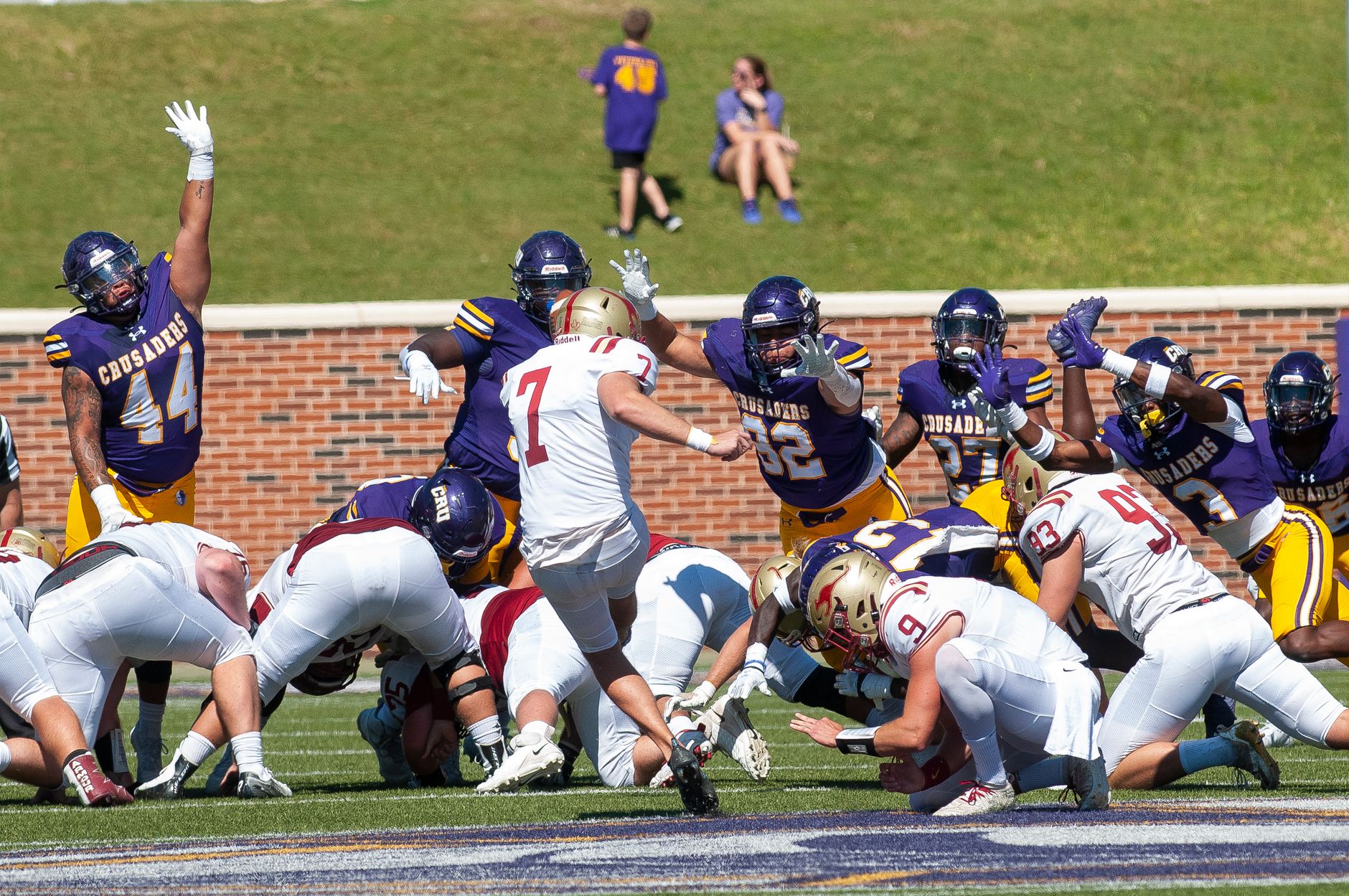
Photo by David Morris on Pexels
What About Conference Realignment and Its Betting Implications?
The 2026 season marks the second year of college football's sweeping conference realignment, which fundamentally reshaped competitive divisions. The SEC remains anchored by traditional powers Alabama, Georgia, and LSU, while the Big Ten welcomed USC, UCLA, and Pac-12 remnants into its expanded footprint. This restructuring creates unfamiliar conference matchups that challenge historical performance data. Teams like USC, transitioning from the Pac-12 to Big Ten competition, face significantly tougher schedules—Los Angeles Memorial Coliseum visitors now include Midwestern powers accustomed to cold-weather November games. From a betting perspective, market inefficiencies emerge during conference transitions as oddsmakers adjust models based on limited data. FCS transfer acquisitions also influence championship calculations, with programs successfully integrating junior college and transfer portal talent demonstrating measurable improvements against expectations. The Mountain West, AAC, and Sun Belt conferences offer particularly attractive value plays given reduced public attention compared to SEC and Big Ten coverage.
[Internal Link: conference realignment betting strategies]
Where Does the 2026 Season Present Unique Value Opportunities?
Several underexplored angles merit attention from strategic bettors analyzing the 2026 landscape. First, Indiana's championship trajectory suggests emerging programs previously dismissed by oddsmakers deserve reassessment—championship-caliber coaching hires can elevate programs within 2-3 seasons, per recent historical patterns. Second, quarterback Dante Moore's return to Oregon provides stability metrics favoring the Ducks' futures odds. Third, the CFP semifinal rotation places premium bowl locations—Peach Bowl, Fiesta Bowl, Rose Bowl, Sugar Bowl—in spotlight positions, with home-region advantages potentially influencing outcomes by 3-5 points. Fourth, international games during Week 1 (Dublin, Mexico City, Germany) introduce travel variables that disproportionately affect underdogs, particularly programs unfamiliar with long-distance scheduling. Fifth, Week 15 "Rivalry Week" matchups often produce unexpected results as emotional factors override statistical analysis—teams with bowl eligibility clinched frequently rest starters, creating spread opportunities against hungry opponents.
Photo by Pavel Danilyuk on Pexels
Should You Bet on College Football in 2026?
The 2026 college football season presents favorable conditions for informed participants. Expanded playoff access increases variance in championship outcomes, creating elevated payout potential for contrarian wagers. Conference realignment generates market inefficiencies exploitable by bettors tracking schedule strength and roster continuity. The CFP selection committee's emphasis on quality wins over loss counts rewards aggressive non-conference scheduling, meaning teams willing to challenge themselves often receive favorable playoff positioning despite occasional regular-season defeats. Indiana's 2025 championship demonstrates that program trajectories can shift dramatically within single seasons, suggesting underpriced futures opportunities exist for ascending programs. Heisman Trophy contention, while historically dominated by SEC and Big Ten quarterbacks, increasingly features diverse candidates from emerging conferences—Oddsmakers adjust slowly to these transitions, maintaining value in alternative selections.
Football Insights recommends prioritizing conference championship futures during summer months, mid-season upset opportunities during rivalry week, and bowl game underdog scenarios where emotional fatigue favors well-coached underdogs against demoralized favorites.
[Internal Link: college football futures betting guide]

Photo by Pavel Danilyuk on Pexels
Frequently Asked Questions
Q: What conferences compete in college football's top division?
A: The FBS (Football Bowl Subdivision) top tier includes 10 conferences: SEC, Big Ten, ACC, Big 12, American Athletic, Mountain West, Pac-12, Sun Belt, Conference USA, and FBS Independents. Each conference receives automatic CFP bowl eligibility, with SEC and Big Ten champions historically receiving preferential playoff seeding.
Q: How does the College Football Playoff selection process work?
A: The 12-team CFP selects participants through a combination of conference champions and at-large bids, determined by a selection committee. The committee evaluates strength of schedule, head-to-head results, championships won, and qualitative factors. Bowl games assign top seeds to New Year's Six rotations including the Rose Bowl, Sugar Bowl, Orange Bowl, Cotton Bowl, Fiesta Bowl, and Peach Bowl.
Q: What are the most valuable betting markets for college football?
A: Primary markets include game winner (moneyline), point spread, totals (over/under), conference championship futures, Heisman Trophy odds, and playoff futures. Mid-season markets like first-half derivatives and team-specific props offer reduced juice compared to main lines. Live in-game betting provides arbitrage opportunities during momentum shifts.
Q: Why did Indiana win the 2025 championship, and can it happen again?
A: Indiana's championship resulted from elite quarterback play, defensive turnaround under new coaching staff, and favorable schedule alignment. The Hoosiers capitalized on turnover luck and fourth-quarter comebacks—metrics prone to regression. However, sustained program investment and returning experience suggest Indiana remains competitive, though regression toward historical performance is statistically expected.
Q: How does conference realignment affect betting odds?
A: Conference realignment disrupts historical performance data by introducing unfamiliar matchups. Teams moving to tougher conferences face steeper learning curves, while receiving conferences gain competitive advantages. Oddsmakers adjust lines gradually, creating 1-2 year windows where market inefficiencies favor informed bettors tracking roster continuity and coaching adjustments.
Q: What role does scheduling play in championship outcomes?
A: Schedule strength directly influences CFP selection committee evaluations. Programs scheduling premium non-conference opponents (particularly on neutral sites or road environments) receive quality win bonuses. Conversely, teams avoiding challenging competition risk "scheduling penalties" despite undefeated records. Weather factors during November conference games create home-field advantages worth 2-4 points on average.
Q: When does the 2026 college football season begin?
A: The 2026 season officially begins with international kickoff games on August 22, including North Carolina vs. TCU in Dublin, Ireland. Full Week 1 action follows August 30 through September 7, with approximately 50 FBS matchups scheduled across opening weekend. Conference championships conclude December 5, with bowl season extending through the CFP National Championship on January 25, 2027.
Football Insights � Editorial Archive � Volume IV