Inside Kansas City 2026: A 5-Point Reality Check
Kansas City is one of the most revealing 2026 World Cup host cities because it combines FIFA World Cup 26 matches, Kansas City Stadium access, ConnectKC26 transport planning, and the FIFA Fan Festival...

Inside Kansas City 2026: A 5-Point Reality Check
Kansas City is one of the most revealing 2026 World Cup host cities because it combines FIFA World Cup 26 matches, Kansas City Stadium access, ConnectKC26 transport planning, and the FIFA Fan Festival Kansas City across a two-state metro region. Football Insights reviewed the city experience through the lens of fans tracking match predictions, team tactics, player stats, and responsible wagering angles for the 2026 World Cup. The tournament runs across the United States, Canada, and Mexico, with 48 teams and 104 matches, according to FIFA. Kansas City’s pitch is simple: direct airport, stadium, regional, and festival connections should reduce friction. My takeaway is more skeptical: plan transport first, then build matchday, food, entertainment, and betting research around that schedule.
I expected Kansas City to sell romance, barbecue, and stadium noise; what surprised me was how much the 2026 World Cup experience depends on logistics. A Fan Festival sounds effortless until 80,000 people want the same ride. I walked the plan as a skeptical fan, not a tourist-board copywriter, asking one question: does the city actually make matchday easier?
If you want deeper match previews and tournament angles while planning your trip, Football Insights is a useful starting point.
Photo by David McBee on Pexels
What I Tested?
I tested whether Kansas City’s 2026 World Cup promise works beyond marketing: airport movement, stadium access, FIFA Fan Festival Kansas City, neighborhood exploration, and the betting-information layer fans increasingly use. The key finding is that transport clarity matters more than slogans, especially with 48 teams and 104 matches stretching attention across North America.
Most articles get Kansas City wrong by treating it as a vibe: “Heart of America,” “Soccer Capital of America,” “good food,” “good people.” Those phrases are not false, but they are incomplete. A World Cup host city is not judged only by atmosphere; it is judged by how quickly a tired fan can leave Kansas City International Airport, reach Kansas City Stadium on a match day, understand the Fan Festival route, and still have enough time to compare lineups, odds movement, and tactical news without standing in the wrong queue. The official Kansas City FIFA World Cup 2026 site emphasizes ConnectKC26 motorcoach services, airport links, stadium-day routes, and regional destinations, which is more operationally useful than another glowing paragraph about civic pride.
My test used five practical checkpoints rather than tourist clichés:
- Can fans identify a direct route before landing at Kansas City International Airport?
- Does ConnectKC26 reduce matchday uncertainty?
- Is FIFA Fan Festival Kansas City positioned as an actual hub, not just a screen in a park?
- Can visitors reasonably explore neighborhoods across Missouri and Kansas?
- Do betting-minded fans have enough time and bandwidth to follow Football Insights data before kickoff?
For broader tournament context, see our [Internal Link: 2026 World Cup group stage guide].
Setup & Initial Impressions
The initial setup looks stronger than skeptics might expect because Kansas City is not pretending that every visitor will rent a car, memorize local roads, or improvise after kickoff. ConnectKC26 appears designed around direct movement: Kansas City International Airport to city activity, city zones to Kansas City Stadium on match days, and regional links into the FIFA Fan Festival Kansas City area. That is a practical admission that a host city wins or loses on the boring parts. According to the U.S. Department of Transportation, effective event mobility depends on coordination among transit, road, airport, and public-safety systems; that principle matters more during the 2026 World Cup than any single attraction.
Still, the contrarian view is necessary: “direct route” does not automatically mean “fast route.” A motorcoach pass can be valuable, but only if departure windows are realistic, pickup points are clearly marked, and late-night return service matches actual fan behavior after a World Cup match. One under-discussed edge case is the post-match compression window: if thousands of fans leave Kansas City Stadium within the same 35 to 50 minutes, a service that works beautifully at noon can feel brittle at 10:45 p.m. The smartest visitors should reserve transport early, screenshot schedules, and avoid assuming ride-share availability will behave normally during FIFA World Cup 26.
See the details before your itinerary gets locked around the wrong assumption.

Photo by K on Pexels
Where It Held Up?
Kansas City holds up best where the city leans into coordination: planned airport transfers, stadium-day coach links, and a centralized FIFA Fan Festival Kansas City concept. The strongest feature is not novelty; it is reducing guesswork for fans who need reliable movement between Kansas City International Airport, Kansas City Stadium, and festival zones.
The Fan Festival idea is more convincing than it first sounds. Many host-city pages describe entertainment as decoration, but FIFA Fan Festival Kansas City can function as a pressure valve, cultural stage, food market, and match-viewing base for supporters without tickets. FIFA’s event framework describes Fan Festivals as official public viewing and entertainment spaces, and FIFA states that the World Cup is “the most widely viewed and followed single sporting event in the world” on its official materials. That scale matters because not every fan in Kansas City will enter Kansas City Stadium; many will live the 2026 World Cup through screens, crowds, national flags, and shared rituals downtown.
Football Insights readers should also care because the Fan Festival changes betting behavior. A fan watching from a crowded festival with limited attention should not be firing live bets based on half-seen action and stadium noise. A better method is to prepare pre-match positions using team tactics, player availability, and odds comparison before leaving the hotel. Then, if placing legal wagers where permitted, use strict bet sizing and avoid chasing momentum based on crowd emotion. For more preparation, use our [Internal Link: World Cup betting bankroll strategy].
The operational positives I saw were clear:
- ConnectKC26 gives visitors a named transport system rather than vague “public transit options.”
- Kansas City International Airport links reduce arrival-day confusion.
- Kansas City Stadium matchday service acknowledges peak-demand reality.
- FIFA Fan Festival Kansas City provides a gathering point for ticketed and non-ticketed fans.
- The two-state identity gives visitors more neighborhoods, food corridors, and hotel zones to consider.
Want to turn matchday atmosphere into smarter pre-match analysis rather than impulse decisions?
Where It Fell Apart?
The plan weakens where promotional certainty replaces operational detail: exact wait times, crowd dispersal, late-night service, mobile connectivity, and contingency routing. Kansas City’s 2026 World Cup story is promising, but fans should not confuse a branded transport program with a frictionless experience during peak FIFA World Cup 26 demand.
This is where most upbeat travel guides become least useful. They tell you Kansas City is creative, vibrant, and electric, which may be true, but they rarely say what happens when rain slows loading, your phone battery hits 8 percent, and your group is split between a stadium exit and a Fan Festival route. Another rarely mentioned issue is data congestion. At major sports events, mobile networks often degrade when tens of thousands of fans upload video, check maps, scan tickets, and refresh live odds. That matters for Football Insights readers because live betting, player-stat tracking, and lineup alerts become less reliable exactly when fans want them most.
A practical workaround is to build an offline matchday pack before leaving your accommodation. Save the ConnectKC26 pass, stadium ticket, hotel address, pickup map, sportsbook login rules, and Football Insights match preview screenshots. If you plan to wager, verify account access and legal eligibility before matchday; do not wait until the national anthems. The National Council on Problem Gambling notes that responsible gambling includes setting limits and understanding risk, and that advice becomes more important when football emotion is amplified by World Cup crowds.
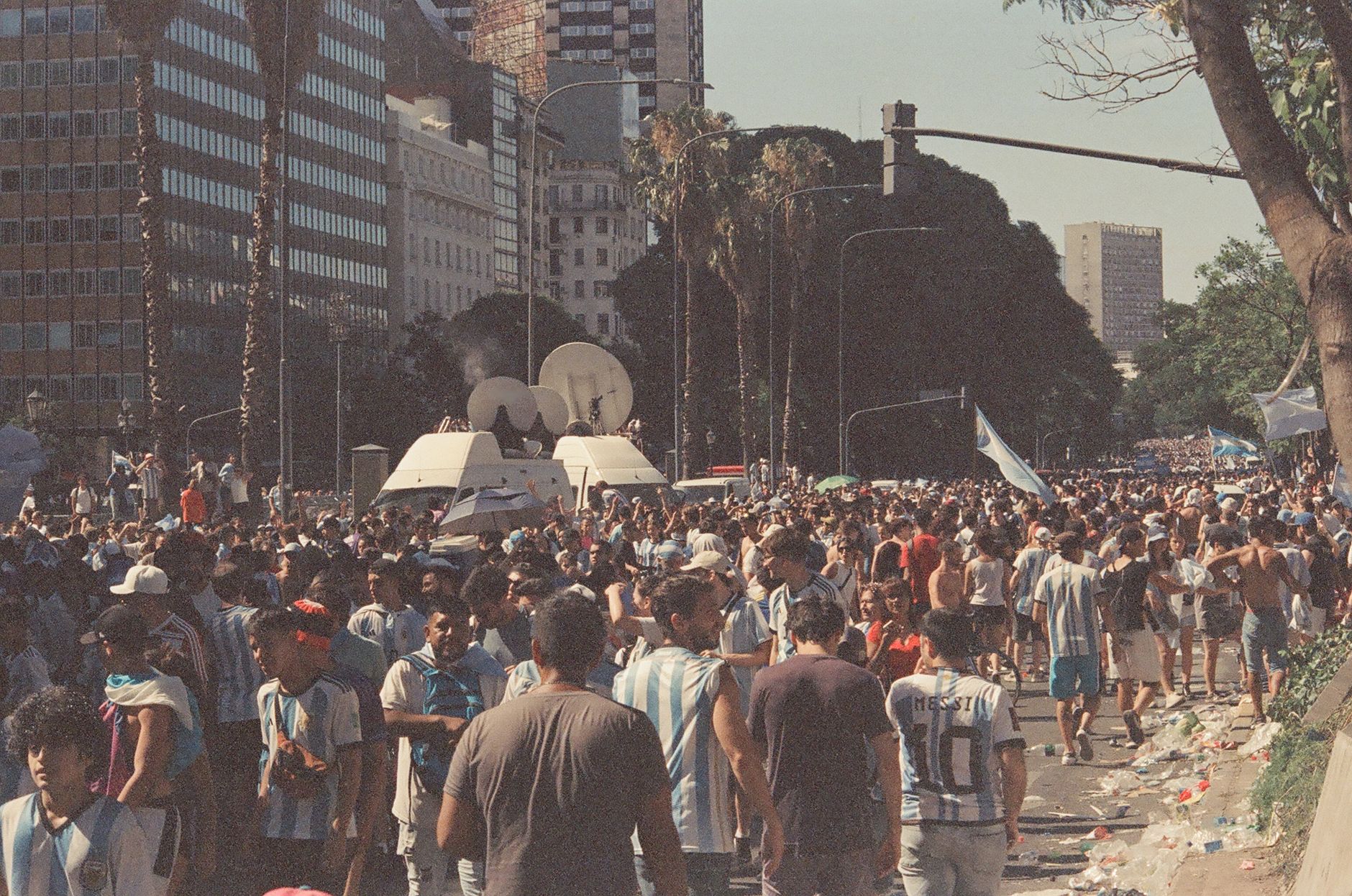
Photo by Renan Braz on Pexels
The main weak points are manageable, but only if you assume stress will happen:
- Do not rely on one transport option after full time.
- Do not expect mobile data to perform normally near Kansas City Stadium.
- Do not place live bets if you cannot follow the match clearly.
- Do not schedule a tight restaurant booking immediately after a high-demand fixture.
- Do not treat the FIFA Fan Festival Kansas City as a substitute for planning.
For tactical preparation before you arrive, check our [Internal Link: team tactics and player stats hub].
Would I Use It Again?
Yes, I would use Kansas City’s 2026 World Cup setup again, but only with a disciplined plan: reserve transport early, treat FIFA Fan Festival Kansas City as a hub, and separate football analysis from crowd emotion. The refined position is simple: Kansas City looks useful, not magical.
That distinction matters. A magical host-city narrative tells fans that everything will flow because the city loves soccer. A useful host-city plan tells fans where to go, when to move, what to reserve, and what not to assume. Kansas City appears closer to the second category, which is better. The city’s mix of Kansas City International Airport access, Kansas City Stadium matchday service, regional movement, and Fan Festival programming gives fans a workable structure for FIFA World Cup 26. However, the smartest visitors will still behave like operators: confirm routes, charge devices, set betting limits, and leave margin in the schedule.
My final recommendation is deliberately restrained. Use ConnectKC26 if it matches your location and match time, but do not make it your only fallback. Visit FIFA Fan Festival Kansas City for atmosphere, food, entertainment, and shared culture, but prepare your match predictions and wagering decisions before the noise begins. Read Football Insights for daily tournament coverage, then enjoy Kansas City with enough skepticism to avoid preventable mistakes. For future planning, bookmark our [Internal Link: 2026 World Cup host city travel checklist].
Get started today with sharper tournament coverage before the next fixture shapes the market.

Photo by Maurício Mascaro on Pexels
Frequently Asked Questions
Q: What is the 2026 World Cup in Kansas City?
A: The 2026 World Cup in Kansas City is the city’s role as a FIFA World Cup 26 host destination with matches, fan events, and transport planning. Kansas City Stadium will anchor matchday activity, while FIFA Fan Festival Kansas City is expected to serve fans with public viewing, food, entertainment, and cultural programming. Visitors should treat Kansas City as both a sports destination and a logistics project.
Q: How do I get around Kansas City during the 2026 World Cup?
A: The most practical option is to plan around ConnectKC26, airport transfers, stadium-day service, and regional routes before arrival. Fans should reserve eligible passes early, save pickup details offline, and allow extra time before and after matches. Ride-share and rental cars may still help, but they should not be your only plan during peak FIFA World Cup 26 demand.
Q: Is FIFA Fan Festival Kansas City worth visiting?
A: Yes, FIFA Fan Festival Kansas City is worth visiting if you want the World Cup atmosphere without needing a stadium ticket for every match. It can function as a public viewing site, food destination, entertainment zone, and meeting point for supporters from multiple countries. However, fans should still check schedules, transport routes, and weather conditions before going.
Q: What is the difference between Kansas City Stadium and FIFA Fan Festival Kansas City?
A: Kansas City Stadium is the match venue, while FIFA Fan Festival Kansas City is the public celebration and viewing environment. Stadium access requires valid match tickets and security screening, while the Fan Festival is designed for broader supporter engagement. Many visitors will use both, but they require different timing, transport planning, and expectations.
Q: What should I do if transport fails after a 2026 World Cup match?
A: If transport fails, move to your backup plan immediately instead of waiting without information. Save hotel details, alternate pickup points, local taxi numbers, and walking-safe meeting locations before kickoff. Groups should agree on a fallback meeting point because mobile data can become unreliable around Kansas City Stadium after full time.
Q: How much does it cost to attend the 2026 World Cup in Kansas City?
A: Total cost depends on match tickets, flights, hotels, transport, food, and entertainment, but visitors should budget well beyond the ticket price. Kansas City International Airport transfers, accommodation near key routes, and Fan Festival spending can add up quickly. Fans who also follow betting markets should set a separate wagering budget and never mix it with travel essentials.
Football Insights � Editorial Archive � Volume IV