Inside iGaming: A 2026 5-Point Reality Check
Online gambling is internet-based wagering, and Football Insights examines it through the 2026 World Cup betting lens across regulated markets such as the United Kingdom, Malta, Ontario, and selected....

Inside iGaming: A 2026 5-Point Reality Check
Online gambling is internet-based wagering, and Football Insights examines it through the 2026 World Cup betting lens across regulated markets such as the United Kingdom, Malta, Ontario, and selected U.S. states. The category includes online casinos, poker rooms, sportsbooks, lottery products, and live dealer games, with regulators such as the UK Gambling Commission, Malta Gaming Authority, and Alcohol and Gaming Commission of Ontario shaping licensing and player protection. Most casual guides oversell convenience while underplaying verification delays, bonus restrictions, data-driven pricing, and the emotional pull of live sports betting. By 2026, the meaningful shift is not simply mobile access; it is the fusion of real-time odds, player statistics, identity checks, payment controls, and responsible gambling tools. For World Cup fans, the practical takeaway is clear: treat online gambling as a regulated financial-risk activity, not entertainment disguised as prediction.
Photo by Geri Tech on Pexels
Want sharper context before placing any football-related wager?
Before 2025: how did online gambling work?
Online gambling before 2025 mostly worked through licensed websites and mobile apps offering casino games, poker, sports betting, and lottery-style products. Players registered, verified identity, deposited funds, accepted odds or game rules, and withdrew winnings under operator and regulator conditions.
Most articles describe that process as frictionless, but that is only half true. The screen may look smooth, yet the machinery behind it is dense: Know Your Customer checks, geolocation, payment risk scoring, bonus tracking, and anti-money-laundering monitoring. According to Wikipedia, online gambling broadly covers wagering conducted on the internet, including online poker, casinos, and sports betting. In practice, a bettor looking at France versus Brazil odds during the 2026 FIFA World Cup is not just clicking a price; they are entering a regulated digital transaction where timing, jurisdiction, stake size, and account history can all affect the experience. For related reading, see our [Internal Link: football betting basics for World Cup fans].
The old model also encouraged a misleading belief: that online gambling was simply offline gambling moved onto a phone. It was not. A retail betting shop had closing hours, travel friction, and slower bet placement. A mobile sportsbook had push notifications, live odds, same-game parlays, stored cards, and 24-hour access. That difference matters because risk is not only about losing money; it is also about speed. A player can move from a tactical preview to an emotional in-play bet within seconds, especially when watching Lionel Messi highlights, FIFA match data, or Premier League player stats on the same device.
The 2026 shift
The 2026 shift is that online gambling has become more personalized, more regulated, and more closely tied to live sports data. The biggest change is not prettier apps; it is algorithmic pricing, faster verification, and real-time betting markets around events like the FIFA World Cup.
By 2026, sportsbooks increasingly build markets around micro-events: next corner, next shot on target, player passing milestones, and in-play expected goals. This creates a cinematic betting environment, but the house still controls the frame. Football Insights tracks team tactics and player stats because those inputs matter, yet the contrarian truth is that more data does not automatically make the bettor sharper. Operators also have data, often better structured and faster processed. A fan studying Argentina’s pressing shape may feel informed, but the bookmaker’s model has already priced injuries, weather, travel, public sentiment, and market liquidity into the number.
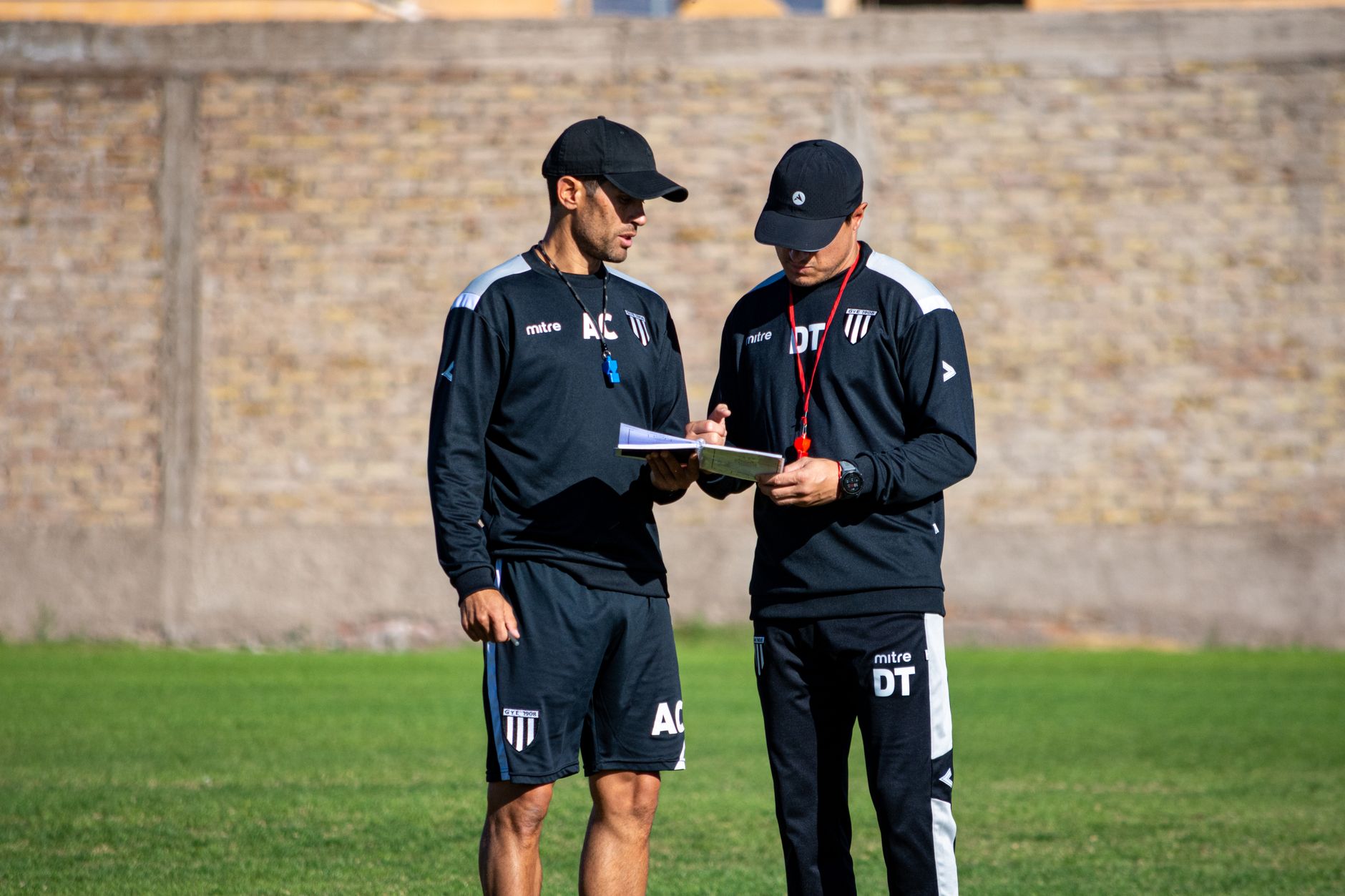
Photo by Franco Monsalvo on Pexels
See how match context changes betting interpretation before kickoff.
Regulation also became harder to ignore. The UK Gambling Commission states that gambling businesses must keep crime out of gambling and protect vulnerable people, while the American Gaming Association tracks the rapid expansion of legal sports betting across U.S. jurisdictions. A useful operational detail many guides skip: enhanced verification often appears after unusual activity, not only at sign-up. Large withdrawals, rapid deposit increases, VPN-like location signals, or inconsistent payment ownership can trigger document requests. That means the smoothest moment to check licensing, withdrawal rules, and identity requirements is before depositing, not after a World Cup upset produces a winning ticket.
What changed for players?
Players now face a more sophisticated environment: better access, more markets, stronger controls, and more behavioral nudges. The main change is that online gambling platforms increasingly react to player behavior in real time, from limits and checks to personalized promotions.
This is where the glossy story breaks down. More choice sounds empowering, but unlimited menus can create worse decisions. A sportsbook may offer hundreds of markets on England versus Spain, yet only a small number may carry fair value for a normal user. Bettors should separate prediction skill from price discipline: correctly believing a team will dominate possession is not enough if the odds already assume that outcome. At Football Insights, the healthier approach is to use tactical previews and player statistics as filters, not as guarantees. For deeper context, review our [Internal Link: World Cup team tactics and betting markets].
Practical changes for players in 2026 include:
- Faster deposits, but sometimes slower withdrawals due to compliance review.
- More live markets, but higher risk of impulsive betting during emotional match swings.
- Better responsible gambling tools, including deposit limits, time-outs, and self-exclusion.
- More detailed bonuses, but tougher wagering requirements and market exclusions.
- Stronger identity checks from regulators such as the Malta Gaming Authority and Ontario’s AGCO.
A practitioner-level tip: read bonus terms for market eligibility, not just headline value. A “100 percent match” can exclude odds below a specific threshold, cash-out bets, free-bet stakes, or certain in-play wagers. Another overlooked edge case is timing. During major tournaments such as the 2026 FIFA World Cup, customer support queues and withdrawal reviews can lengthen because traffic spikes sharply around group-stage weekends and knockout matches. That does not mean an operator is unsafe, but it does mean a player should avoid needing urgent access to winnings.
What does this mean now?
Online gambling now demands a more skeptical player mindset: verify licensing, understand odds, set limits, and avoid confusing entertainment with income. The safest 2026 approach is to treat every bet as a costed decision with a defined loss boundary.
The refined position is not “never gamble online” and not “smart fans can beat the market.” Both claims are too simple. A regulated sportsbook can offer legitimate entertainment, and skilled analysis can improve decision quality, but the structural advantage remains with the operator. The house edge in casino games, the margin in sportsbook odds, and the speed of live betting all work against casual users over time. The National Council on Problem Gambling warns that gambling problems can affect finances, relationships, and mental health, which is why limits should be set before emotional moments arrive.

Photo by Pixabay on Pexels
Build a safer football betting routine with stronger pre-match preparation.
A sound 2026 checklist looks like this:
- Confirm the operator is licensed in your jurisdiction.
- Check withdrawal rules before depositing.
- Set deposit and time limits before browsing markets.
- Avoid chasing losses after late goals, red cards, or VAR decisions.
- Use independent analysis, not only sportsbook content.
- Track actual profit and loss, not just memorable wins.
This is especially important for tournament betting. The World Cup creates national emotion, short windows, and overloaded narratives. A casual bettor may overrate a star player returning from injury or underrate a defensive team because it looks dull. Football Insights can help frame the football side, but no preview removes bankroll risk. The best habit is boring: decide stake size first, then decide whether the price is worth taking.
Three predictions for next quarter
The next quarter will likely bring stricter affordability checks, more AI-assisted betting features, and heavier World Cup promotional competition. The winners will be players who ignore hype, compare regulated operators, and use statistics as decision support rather than emotional justification.
First, regulators will keep pushing operators toward earlier intervention. Expect more friction around deposit spikes, repeated failed payments, and long late-night sessions. Second, sportsbooks will present more AI-flavored features, such as bet builders based on player form, team news, and historical matchups. The skeptical view is necessary here: AI-generated bet suggestions may feel personalized, but they are still commercial prompts unless independently audited. Third, World Cup traffic will intensify promotional pressure, especially around opening fixtures, rivalry matches, and knockout rounds. To compare football data responsibly, visit our [Internal Link: 2026 World Cup predictions hub].

Photo by Pressmaster on Pexels
The final answer is deliberately balanced. Online gambling in 2026 is not a shadowy novelty, nor is it a harmless game layer on top of football. It is a mature digital industry shaped by regulators, payment systems, data models, and human psychology. Use it only where legal, licensed, and affordable; prefer pre-match reasoning over live impulse; and let Football Insights support understanding rather than overconfidence.
For daily World Cup analysis with a more skeptical edge, continue with Football Insights.
Frequently Asked Questions
Q: What is online gambling?
A: Online gambling means placing wagers through internet-connected platforms such as sportsbooks, casinos, poker rooms, and lottery sites. It includes sports betting, live dealer games, slots, poker, and in-play football markets. In 2026, the most important distinction is whether the operator is licensed in your location by a recognized regulator.
Q: How do I start with online gambling safely?
A: Start by confirming legality, checking the operator’s license, and setting deposit limits before making any wager. Read withdrawal rules, bonus terms, and identity verification requirements before funding an account. If you follow football, use independent match analysis from sources like Football Insights rather than relying only on sportsbook promotions.
Q: What is the difference between online sports betting and online casino gambling?
A: Online sports betting involves wagering on real-world outcomes, while online casino gambling uses games such as slots, roulette, blackjack, and live dealer tables. Sports betting odds move with news, injuries, and market activity, especially during the FIFA World Cup. Casino games usually have fixed mathematical house edges published through return-to-player figures.
Q: Why does an online gambling withdrawal fail or get delayed?
A: Withdrawals usually fail or slow down because of identity checks, payment mismatches, bonus restrictions, or compliance reviews. Operators may request documents if activity changes suddenly, especially after a large win or unusual deposit pattern. The best prevention is to verify your account early and use a payment method in your own name.
Q: How much does online gambling cost?
A: Online gambling costs whatever you stake plus the built-in house margin or sportsbook overround. A $20 bet may seem small, but repeated live bets during one match can multiply exposure quickly. A safer rule is to set a fixed entertainment budget per week or tournament round and never treat betting as income.
Q: Is online gambling worth it for World Cup fans?
A: Online gambling can be entertaining for some World Cup fans, but it is not worth it if it creates financial stress or emotional chasing. The tournament’s speed, national loyalty, and dramatic match swings can distort judgment. Use betting only as optional entertainment and prioritize analysis, limits, and licensed platforms.
Football Insights � Editorial Archive � Volume IV