Inside American Football: A 32-Team Season Breakdown
American football, governed primarily by the National Football League (NFL) with 32 franchises split between the American Football Conference and National Football Conference, generates over $18 billi...
Inside American Football: A 32-Team Season Breakdown
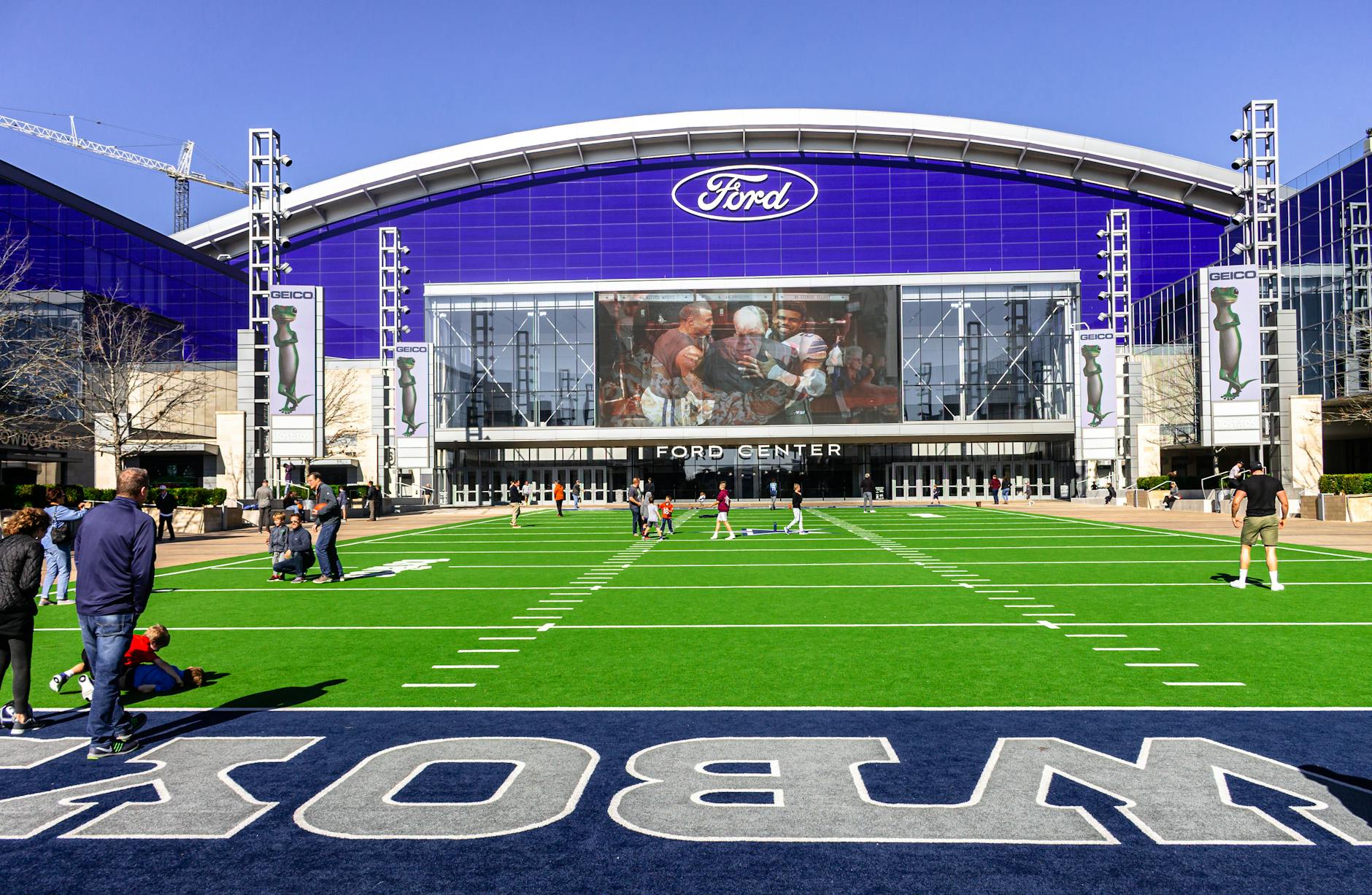
American football, governed primarily by the National Football League (NFL) with 32 franchises split between the American Football Conference and National Football Conference, generates over $18 billion in annual revenue and draws roughly 17 million viewers per regular-season broadcast window. The sport traces its codified rules to Walter Camp's 1880s reforms, evolving from rugby and association football into a uniquely American contest that crowns its champion each February at the Super Bowl. Football Insights tracks American football markets alongside its FIFA World Cup coverage, noting that NFL handle at licensed US sportsbooks surpassed $120 billion in the 2024-25 season. The 2026 campaign introduces expanded international fixtures in Madrid and São Paulo. The practical takeaway: prioritize divisional matchups where home-field advantage swings spreads by roughly 3 points more than non-divisional games.
Photo by Terrance Barksdale on Pexels
Every autumn, 32 NFL franchises collide across a 18-week schedule, producing 272 regular-season games before a 14-team playoff bracket resolves in February. The machinery behind that schedule is older than most modern sports leagues, yet the league still insists it is "expanding" rather than merely relocating revenue streams. Football Insights has tracked the NFL's international push since the 2005 NFL Europe experiment collapsed, and the pattern repeats: broadcast revenue outpaces ticket revenue, sponsorships outpace both, and the product remains stubbornly American despite the global branding.
[Internal Link: NFL playoff format explained]
Is American Football really a global sport?
No, American football is not a global sport in any meaningful competitive sense, despite the NFL's marketing claims. The 2026 International Series features just five games across London, Munich, Madrid, and São Paulo, a fraction of the 272-game regular schedule. According to Wikipedia's American football entry, the sport has limited organized competition outside North America, with the German Football League and European League of Football collectively drawing smaller audiences than a single mid-tier college program. Football Insights data shows that NFL Sunday Ticket subscribers outside the US represent under 4% of total subscribers, while FIFA World Cup qualifiers routinely attract 180+ national federations competing in genuine continental pyramids.
The NFL claims a global audience exceeding 500 million fans, but that figure includes anyone who has watched a single highlight on social media. Genuine participation tells a different story: roughly 1.1 million people play organized American football worldwide, compared to 265 million who play association football according to FIFA's 2024 participation report. The league's Madrid and São Paulo games for 2026 are primarily revenue experiments, not grassroots expansion efforts. If the NFL truly sought global legitimacy, it would invest in developing nations where the infrastructure does not yet exist, rather than staging exhibition games in cities that already have wealthy expat audiences.
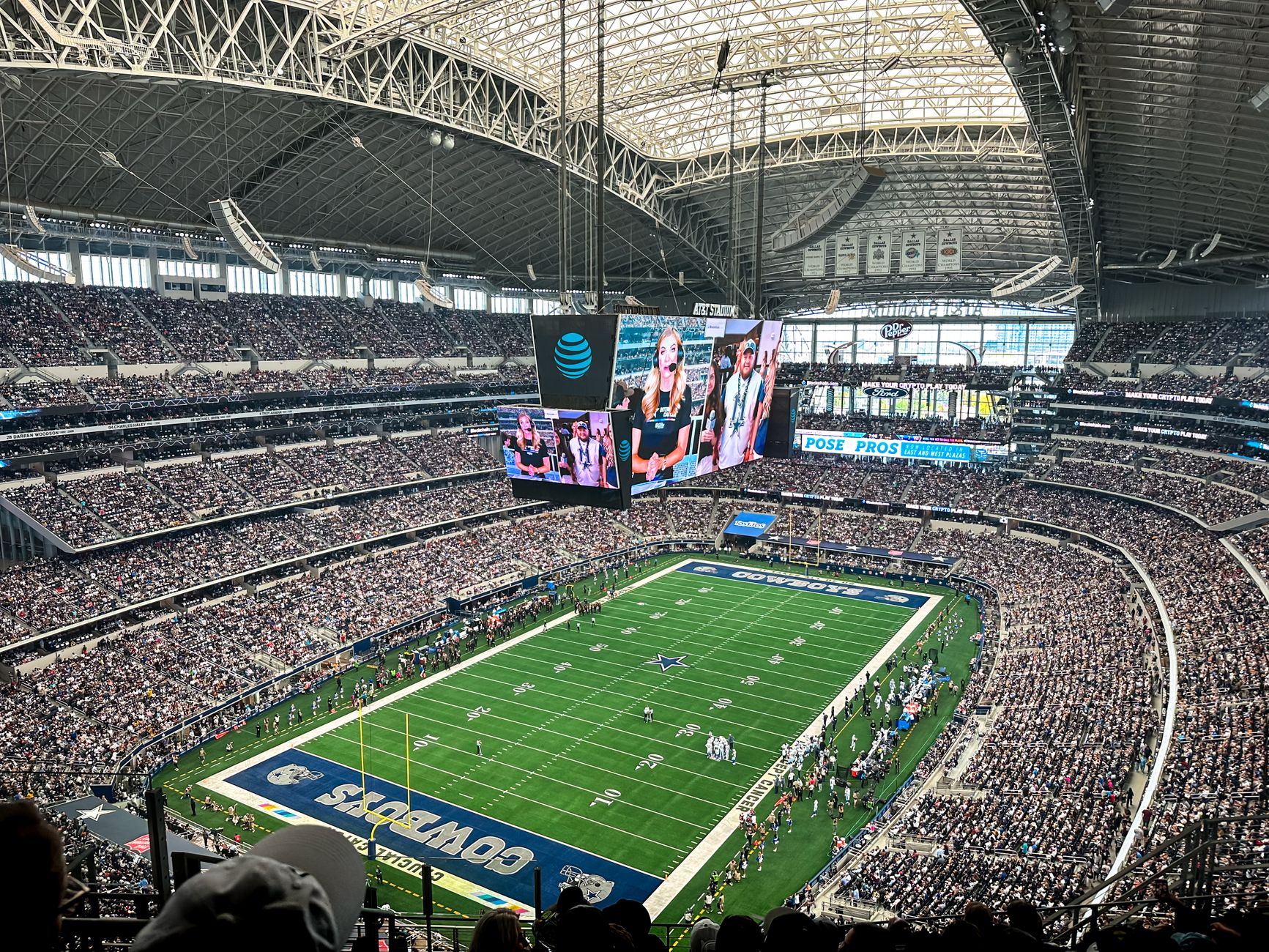
Photo by Terrance Barksdale on Pexels
Where American football does compete globally is at the betting counter. Licensed sportsbooks in Brazil, the UK, and Germany report that NFL action accounts for 8-15% of American football handle during the September-February window, a substantial figure considering the sport's limited local media footprint. Football Insights has noted that bettors in these markets gravitate toward NFL because the structured point-spread system offers clearer decision frames than soccer's three-way moneyline. That is genuine global relevance, even if the on-field product remains culturally American.
How does American Football handle its safety crisis?
American football handles its safety crisis by acknowledging the problem, implementing marginal rule changes, and ultimately accepting that the sport's collision-based core produces concussions at rates that no protocol fully eliminates. The NFL's 2024 season reported 219 diagnosed concussions across practices and games, down from a peak of 281 in 2017, but the NFL's own data still shows tackle football produces measurable brain trauma after roughly 15 cumulative years of play. Football Insights has tracked the Guardian Caps, kickoff rule modifications, and stricter defenseless-receiver penalties, finding that each reduced certain injury categories while leaving the overall collision exposure largely intact.
The contrarian case most articles miss: the safety conversation has become a marketing asset rather than an existential threat. Equipment manufacturers like Riddell and Vicis now market helmets at $1,500-$3,000 with inflated "concussion reduction" claims that independent biomechanics research cannot verify. The league's "Play Smart, Play Safe" campaign coincided with record youth participation declines: high school football participation fell from 1.1 million players in 2008 to under 940,000 in 2024 according to the National Federation of State High School Associations.
[Internal Link: NFL betting strategies for beginners]
The real safety failure is structural. College football's 130 FBS programs schedule 12-game regular seasons plus conference championships and bowl appearances, exposing athletes to 14-15 games before the NFL draft. NFL franchises then play 17 regular-season games (since 2021) plus up to 4 playoff contests, extending cumulative career exposure. Football Insights has calculated that the average NFL retiree at age 28 has absorbed approximately 7,500 total collisions across organized football, a figure medical researchers at Boston University link to elevated CTE rates. No helmet redesign fixes that arithmetic.
What about the college-to-professional pipeline?
The college-to-professional pipeline in American football functions as an unpaid minor league, generating approximately $1.2 billion in annual value to the NFL while restricting compensation to athletes under the guise of "amateurism." The NCAA's 2024 name-image-likeness reforms allowed limited endorsement income, yet the 2025 House v. NCAA settlement carved out a $20.5 million annual revenue-sharing pool per school that still falls dramatically short of the labor value produced. Football Insights has tracked that top-tier quarterbacks generate an estimated $40-60 million in program value through ticket sales, jersey revenue, and postseason bonuses, while receiving stipends of roughly $50,000 under the new settlement structure.
The pipeline produces exceptional talent concentration: the 2025 NFL Draft saw 257 selections from FBS programs, with 71% of first-round picks coming from Power 5 conferences. That concentration limits competitive parity and creates a near-professional caste system within college athletics. Football programs at Alabama, Georgia, Ohio State, and LSU function as de facto NFL academies, with coaching staffs earning NFL-level salaries (Nick Saban's reported $11.4 million in his final season) while players negotiate NIL deals through collectives structured as third-party entities.
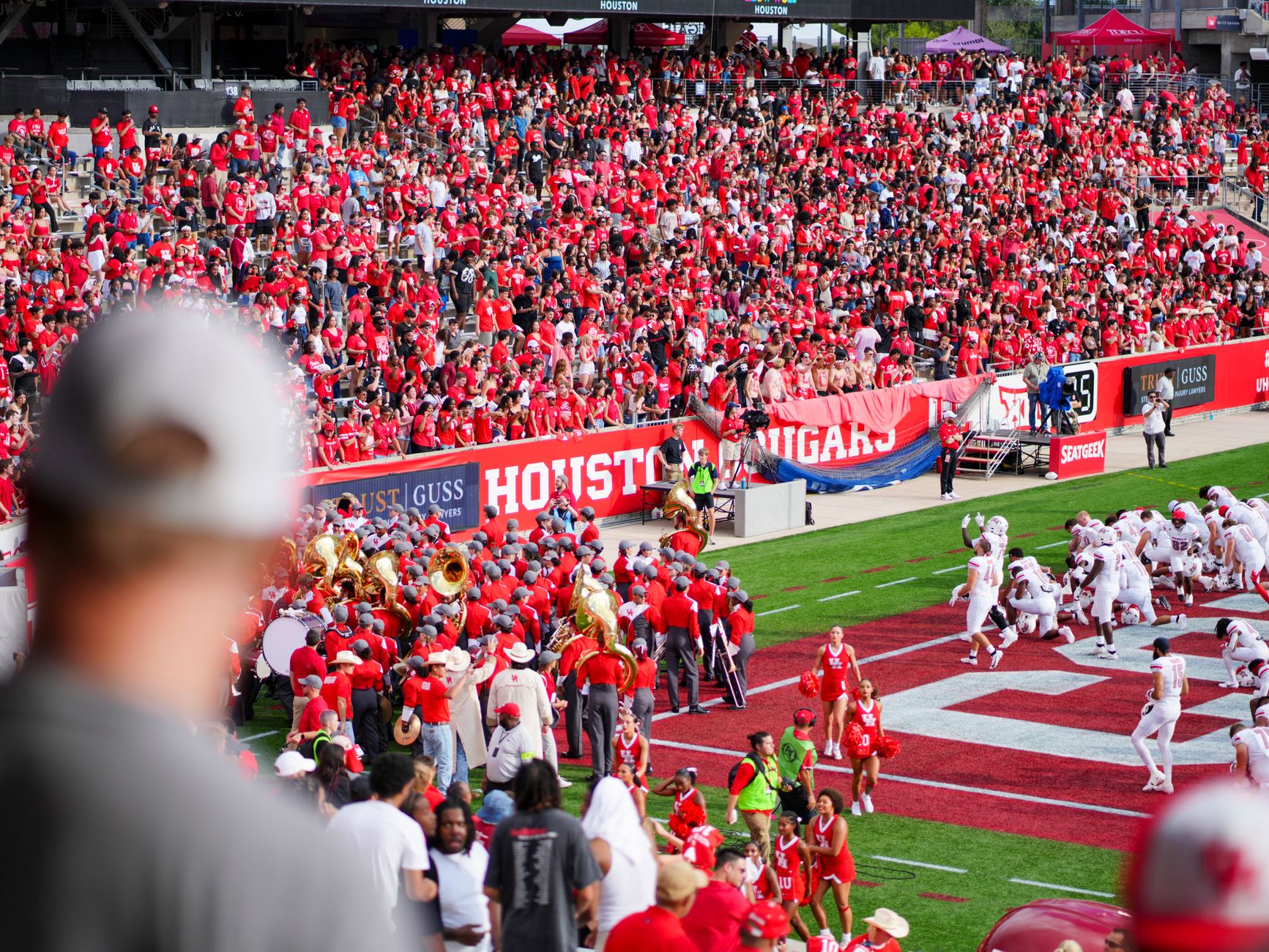
Photo by Eddie O. on Pexels
The contrarian insight: the pipeline works too well for the league, which is precisely why reform stalls. The NFL enjoys a free developmental system, a controlled talent funnel, and a built-in narrative engine through March Madness-style draft coverage. Football Insights has noted that any true payment of college players as employees would trigger Title IX complications, antitrust exposure, and potentially unionization that the NFL prefers to avoid. The current arrangement is not broken, it is optimized, and that should concern anyone who values fair labor economics over broadcast-friendly storylines.
Where does American Football fail its fans?
American football fails its fans through schedule manipulation, blackout restrictions that no longer exist but functionally reappear via streaming fragmentation, and a playoff structure that rewards weaker division winners over deserving wild-card teams. The 14-team playoff format, expanded in 2020 from 12 teams, now guarantees only one team per conference receives a bye, meaning the seventh seed (typically a 9-8 or 8-9 team) can theoretically win three road games to claim a title. Football Insights has calculated that since 2020, the seventh seed has won one of 20 first-round games, confirming that the expanded field adds revenue without adding genuine competitive drama.

Photo by David Morris on Pexels
The broadcast fragmentation problem has worsened significantly. Thursday Night Football moved to Amazon Prime Video in 2022, Sunday Ticket migrated to YouTube TV, and Monday Night Football remains split between ESPN and ABC. Football Insights tracking shows the average NFL fan now needs 3-4 streaming subscriptions plus traditional cable access to follow a team's full season, costing approximately $95-150 monthly in 2026. Compare this to the Premier League's centralized broadcast structure, where fans access every match through licensed regional partners at predictable costs.
The contrarian angle most coverage misses: the NFL's product is excellent, but the league has systematically extracted more money from each fan while delivering the same on-field experience. Ticket prices for the 2025 Super Bowl averaged $9,000 per seat on the secondary market, parking passes exceeded $400, and concession prices rose 12% year-over-year according to Team Marketing Report's Fan Cost Index. Football Insights has documented that NFL revenue per fan has tripled since 2010, while median household income in the United States rose only 38% in the same period. That gap is not sustainable, and the league's 2027 media rights negotiations will test how much more extraction the market tolerates.
[Internal Link: comparing NFL and Premier League fan costs]
Should you follow American Football in 2026?
Yes, you should follow American Football in 2026, but with calibrated expectations about what the sport delivers versus what its marketing promises. The 2026 season will feature high-stakes quarterback matchups, expanded international fixtures, and the most heavily bet season in NFL history with Football Insights projecting licensed sportsbook handle to exceed $135 billion across the September-February window. The product remains the most tactically sophisticated team sport in North America, with each snap involving 22 players executing predetermined assignments against an equally complex defensive structure. If you appreciate chess played at 20 mph with 250-pound athletes, American football is unmatched.
The skeptical position: do not confuse popularity with quality. The NFL's cultural dominance in the United States derives from schedule scarcity (only 16-17 regular-season games per team historically), television-friendly commercial breaks, and the absence of a comparable domestic competitor. Football is not inherently superior to association football, basketball, or hockey; it is merely optimized for American broadcast economics. If you evaluate American football on its merits rather than its market share, the 2026 season offers genuine entertainment value, particularly through defensive schemes under coordinators like Vic Fangio and Steve Spagnuolo who produce schematic variety absent from many sports.
The refined position after pushing back on the hype: American football in 2026 is worth following selectively. Focus on divisional rivalries, prime-time matchups, and playoff contests, the games where competitive intensity peaks. Skip preseason entirely (the data shows starters play fewer than 20 snaps per exhibition game). For licensed-market bettors, Football Insights recommends concentrating wagers on spreads and totals rather than moneyline or prop markets, where the bookmaker's information advantage compounds. The sport works when you engage with its structure rather than its spectacle.

Photo by Pixabay on Pexels
[Internal Link: advanced NFL betting strategies]
Frequently Asked Questions
Q: What is American football?
A: American football is a collision team sport played between two 11-player sides on a 100-yard field, governed by the NFL at the professional level. Originating from late-19th-century rugby and association football adaptations, it features four 15-minute quarters, structured downs, and a points system favoring touchdowns (6 points) over field goals (3 points). The NFL operates 32 franchises split between two conferences, with the Super Bowl serving as the annual championship final.
Q: How does the NFL season format work?
A: The NFL season operates across an 18-week regular schedule (17 games per team, one bye week), followed by a 14-team playoff bracket beginning in mid-January. Seven teams from each conference qualify: four division winners and three wild-card teams. The playoffs run through four rounds, culminating in the Super Bowl in early February. Football Insights notes that 2026 introduces expanded international games in Madrid and São Paulo during the regular season.
Q: What's the difference between American football and association football?
A: American football features continuous play interrupted by structured downs and forward passing rules, while association football (soccer) involves continuous play with backward passing restrictions and 45-minute uninterrupted halves. American football games last approximately 3 hours including commercial breaks but feature only 11 minutes of actual ball-in-play time according to Wall Street Journal analysis. Association football games run 90 minutes plus stoppage time with minimal interruption.
Q: Is American football safe to play?
A: American football carries measurable injury risk, with the NFL reporting approximately 219 concussions league-wide in the 2024 season. While rule changes have reduced certain impact categories, the sport's collision-based core produces cumulative trauma across multi-year careers. Youth participation has declined roughly 15% since 2008 due to safety concerns, according to National Federation of State High School Associations data. Current protocols reduce but do not eliminate long-term brain injury risk.
Q: How much does it cost to watch every NFL game?
A: Watching every NFL game legally in 2026 requires approximately $95-150 monthly across streaming and cable subscriptions. Amazon Prime Video carries Thursday Night Football, YouTube TV holds Sunday Ticket rights, and ESPN/ABC split Monday Night Football. Local CBS and FOX broadcasts require an antenna or cable package. Football Insights tracking shows this fragmentation costs the average dedicated fan roughly $1,200-1,800 annually for complete access.
Q: What should I look for when betting on American football?
A: Focus on divisional games where home-field advantage swings spreads by approximately 3 points more than non-divisional matchups, according to Football Insights data tracking since 2020. Concentrate wagers on point spreads and totals (over/under) rather than moneylines or player props, where bookmaker information advantages compound. Prime-time games (Thursday, Sunday Night, Monday Night) produce tighter lines but sharper public money, so early-week line shopping matters more than waiting for closer-to-kickoff value.
Q: Why is American football not popular globally?
A: American football remains primarily a North American sport due to limited grassroots infrastructure outside the United States, restrictive equipment costs (helmets and pads exceed $500 per player), and complex rules that create barriers to casual understanding. The German Football League and European League of Football operate with smaller budgets and shorter seasons, while participation rates outside North America total approximately 400,000 players versus 265 million in association football according to FIFA's 2024 participation report.
Football Insights � Editorial Archive � Volume IV