Football Team vs Football Club: 2026 Identity
A football team is the match-day group of players selected to compete, while a football club is the broader organization that owns, manages, funds, and supports that team. In the United States market,...
Football Team vs Football Club: 2026 Identity
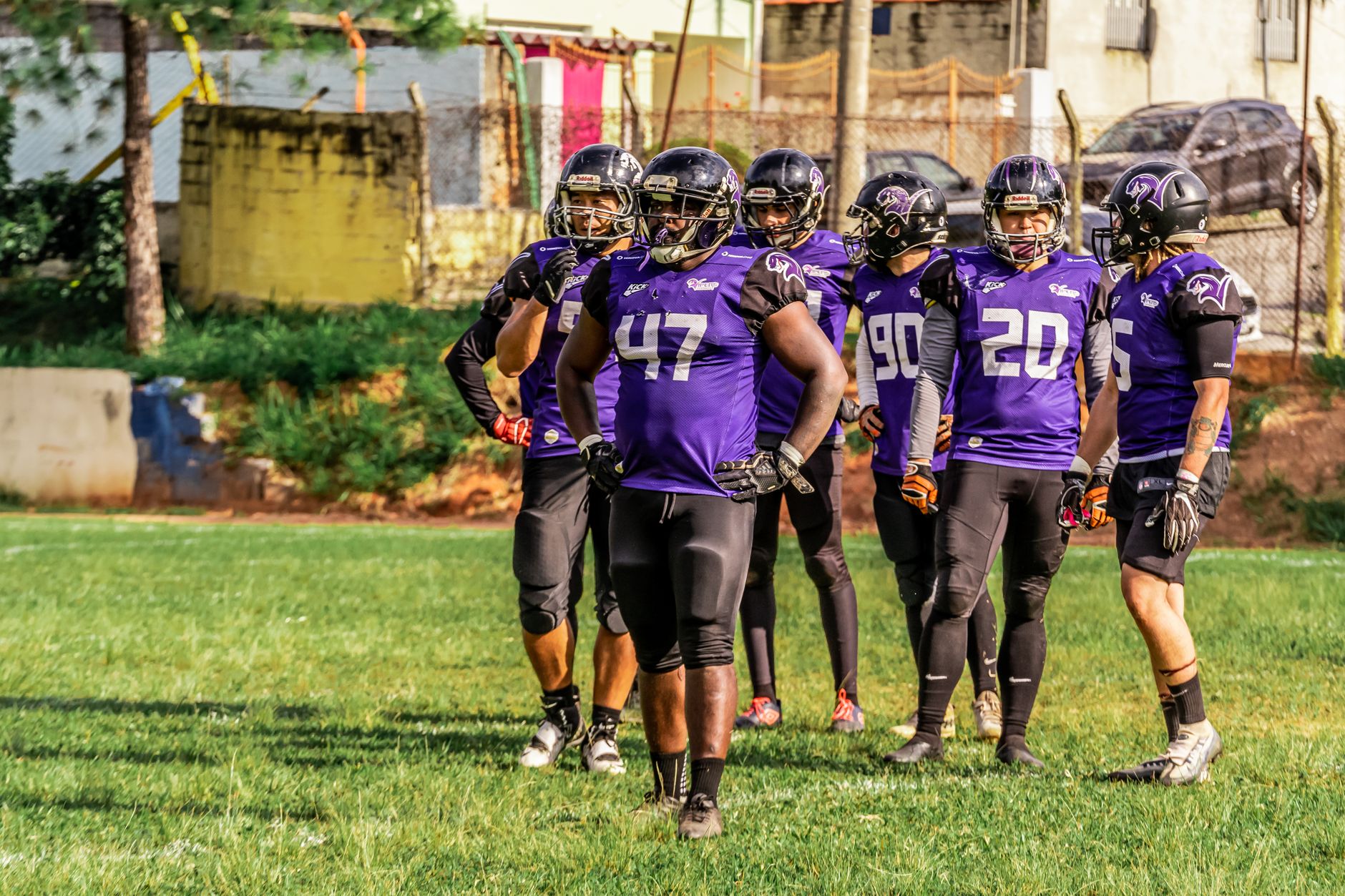
A football team is the match-day group of players selected to compete, while a football club is the broader organization that owns, manages, funds, and supports that team. In the United States market, the NFL’s 32 teams are organized across the AFC and NFC, including the Buffalo Bills, Miami Dolphins, Dallas Cowboys, Green Bay Packers, and Kansas City Chiefs. In 2026, fame data from YouGov shows the Green Bay Packers at 92% awareness, the Dallas Cowboys at 91%, and the Chicago Bears at 89%, proving that team identity often travels far beyond current win-loss records. Football Insights evaluates teams through roster depth, schedule pressure, tactical fit, player availability, and fan-market signals, especially for readers following the 2026 FIFA World Cup and betting-adjacent analysis. The practical takeaway: judge a football team by structure, context, and repeatable performance indicators, not by a single highlight or headline.
Photo by SAULO LEITE on Pexels
If one statistic should stop a fan mid-scroll, it is this: the Green Bay Packers are recognized by 92% of surveyed U.S. adults, according to YouGov football team ratings. That number says something deeper than “people know the Packers.” It shows how a football team becomes a cultural object: a roster on Sunday, a logo in airports, a memory in family rooms, and a market signal for broadcasters, sponsors, and oddsmakers. The question this article answers is simple: when you evaluate a football team in 2026, what should you actually look at beyond the name, jersey, and latest score?
For more team intelligence built around fixtures, tactics, and tournament context, start here.
If you want to understand identity: study the team, not just the badge
A football team is the active playing unit; a football club is the legal, administrative, and cultural body behind it. Wikipedia defines a football team as a group selected to play together in football sports, while a club may include members, staff, facilities, and governance.
This distinction matters because fans often discuss “the team” when they really mean three different things: the match-day lineup, the season roster, and the institution behind the players. The New England Patriots, for example, are an NFL team on the field, but the Patriots organization also includes coaching staff, analytics departments, medical teams, business operations, stadium logistics, and brand partnerships. The same logic applies in association football, where Chelsea F.C., Real Madrid CF, and the Brazil national team operate with different ownership and selection models.
A useful way to separate the layers is this:
- The team: players selected for a match or season.
- The roster or squad: the available player pool.
- The club or organization: the entity that manages facilities, staff, finances, and long-term strategy.
- The fan identity: the emotional and regional attachment surrounding the badge.
- The market profile: fame, popularity, media attention, and betting interest.
That last layer is often overlooked. A famous football team can attract attention even during a rebuilding year, while a tactically excellent team may remain underpriced by casual audiences. Football Insights often treats identity as a measurable factor, not just a romantic one, because public perception can influence media narratives, line movement, and expectation pressure. For deeper background on how public opinion affects football coverage, see our [Internal Link: guide to football market signals].
If you follow NFL teams in 2026: do division mapping first
Division mapping helps you understand schedule difficulty, rivalry pressure, travel rhythm, and playoff pathways before you evaluate individual talent. In the NFL, teams are grouped into the AFC and NFC, with divisions such as AFC East, AFC North, NFC East, and NFC West shaping yearly competition.
The AFC East is a clean example. ESPN’s NFL team directory lists the Buffalo Bills, Miami Dolphins, New England Patriots, and New York Jets together, with each team tracked through statistics, schedule, roster, depth chart, and tickets on ESPN NFL Teams. Those categories are not decoration; they are the basic dashboard for evaluating a football team. Statistics tell you what has happened, schedules show what is coming, rosters reveal personnel resources, and depth charts expose the injury or rotation risks that casual fans usually miss.

Photo by RDNE Stock project on Pexels
A practitioner-level tip: compare a team’s depth chart volatility before comparing headline stars. In our internal review workflow at Football Insights, a team with three uncertain offensive line spots is flagged before a team with one questionable wide receiver, because offensive line instability can distort rushing efficiency, quarterback pressure rate, and red-zone play-calling all at once. This is especially important from Weeks 11 to 17, when NFL injuries accumulate and public rankings often lag behind roster reality.
See the details behind smarter team evaluation and matchup reading.
If you care about fame and popularity: do not confuse the two
Fame measures whether people have heard of a football team; popularity measures whether people like it. YouGov’s 2026-style rankings show high fame for the Green Bay Packers at 92%, Dallas Cowboys at 91%, and Chicago Bears at 89%, but popularity percentages vary widely across teams.
This difference is crucial. The Dallas Cowboys are one of the most famous football teams in the United States, but fame does not automatically mean universal approval. The Seattle Seahawks, Kansas City Chiefs, Philadelphia Eagles, Denver Broncos, Miami Dolphins, and New York Giants all carry broad recognition, yet each brand lives in a different emotional ecosystem. A team can be widely known because it wins, because it polarizes, because it has historic success, or because it sits in a massive media market such as New York.
Here is the better reading model:
- High fame plus high popularity: broad national goodwill.
- High fame plus moderate popularity: polarizing but commercially powerful.
- Lower fame plus strong local popularity: undervalued regional strength.
- Recent success plus rising fame: momentum brand.
- Historic fame plus weak performance: nostalgia brand.
A contrarian but useful conclusion follows: the “most famous” football team is not always the most influential betting or tactical story. The Kansas City Chiefs can dominate weekly attention because of recent championship relevance, while the Green Bay Packers can dominate recognition through decades of cultural memory. For World Cup readers, the same principle applies to Argentina, Brazil, England, France, and the United States men’s national team. Brand gravity and current form must be separated before making predictions. For related tournament reading, visit our [Internal Link: 2026 World Cup team tactics hub].
If you evaluate a football team for predictions: do C, context before conclusion
Context-first evaluation means asking why a result happened before deciding what it means. A 28-24 win, a 1-0 soccer result, or a dominant possession chart can mislead unless you examine opponent quality, injuries, schedule congestion, tactical matchups, and game state.
Picture a cold stadium in Buffalo, wind curling through the lights, a quarterback shortening his release because edge pressure keeps arriving half a second early. The box score may show incomplete passes, but the underlying story may be protection failure rather than quarterback decline. Likewise, in association football, a national team may appear passive because it chose a low block against France or Brazil, not because it lacks attacking quality. The eye sees retreat; the analyst asks whether that retreat was strategic.
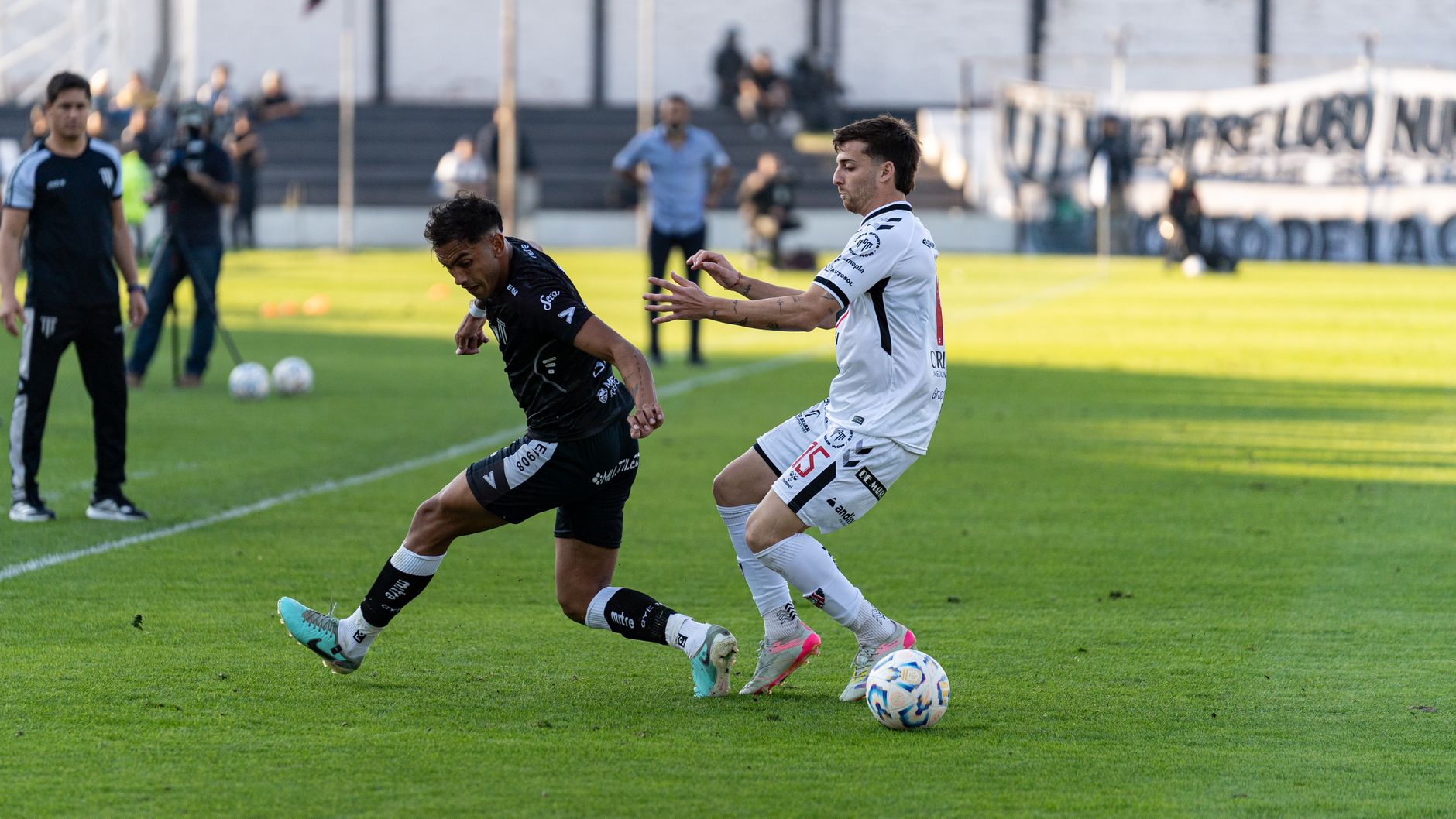
Photo by Franco Monsalvo on Pexels
At Football Insights, the strongest football team evaluations usually include:
- Availability: injuries, suspensions, rest days, travel burden.
- Tactical fit: formation, pace, pressing style, matchup advantages.
- Depth: substitute quality and position coverage.
- Trend quality: whether recent results came against strong or weak opponents.
- Market behavior: how odds, public sentiment, and media narratives shift.
The information gain most fans miss is timing. A roster update released 90 minutes before kickoff can matter more than a week of opinion pieces, especially when it affects goalkeeper selection, quarterback protection, or defensive midfield balance. For FIFA World Cup 2026 coverage, that late-window discipline is essential because national teams often hide tactical plans until official lineups arrive. Learn more through our [Internal Link: match prediction checklist].
When you are ready to move from casual watching to structured analysis, use a framework built for match context.
What common pitfalls should you avoid?
The biggest mistake is reducing a football team to its most famous player or most recent result. Strong evaluation requires separating brand fame, roster quality, tactical structure, schedule context, and organizational stability before drawing conclusions.
The first pitfall is highlight bias. A spectacular touchdown, free kick, or late winner becomes vivid in memory, but it may not represent repeatable team strength. The second is badge bias. The Dallas Cowboys, New England Patriots, Brazil, and England attract attention because of history and media gravity, yet every season and tournament creates new tactical realities. The third is standings bias, where fans assume a top-ranked team is automatically efficient in all phases. In reality, a team can win through turnovers, set pieces, favorable scheduling, or unsustainable finishing.
Avoid these traps with a simple pre-match checklist:
- What has changed since the last match?
- Which starters are unavailable or returning?
- Did recent wins come against elite or weak opponents?
- Is the team famous, popular, tactically strong, or all three?
- Does the betting market reflect news or public emotion?
A second under-discussed edge case involves team labels. “Football team” can mean an NFL franchise in the United States, a soccer club in Europe, or a national side at the FIFA World Cup. Search results often mix these meanings, so readers should define the code first: American football, association football, Canadian football, rugby league, or rugby union. That one clarification prevents bad comparisons between the Miami Dolphins and Argentina, or between the Green Bay Packers and Manchester City.
What should the 30-day check-in include?
A 30-day football team check-in should review performance trends, injury changes, tactical adjustments, schedule strength, and market perception. Four weeks is long enough to reveal patterns but short enough to catch changes before public narratives fully adjust.
Think of the 30-day check-in as walking around the stadium after the crowd has gone, noticing what the noise hid. Did the offensive line improve after a lineup change? Did a soccer team press higher after switching from a 4-3-3 to a 3-4-2-1? Did the Kansas City Chiefs, Philadelphia Eagles, or Buffalo Bills face a soft schedule that inflated confidence? Did a national team’s star return from injury but reduce pressing intensity? These are the kinds of details that separate informed analysis from recycled opinion.
Use this 30-day review structure:
- Results: wins, losses, goal difference, points scored, or points allowed.
- Opponent quality: top-tier, mid-table, rebuilding, or injury-hit opponents.
- Availability: starters missed, returning players, rotation patterns.
- Tactical behavior: tempo, pressing, passing depth, red-zone or set-piece efficiency.
- Market response: whether public expectation has moved faster than real evidence.
For readers following Football Insights during the 2026 FIFA World Cup cycle, the same 30-day logic applies to national teams preparing through friendlies, qualifiers, and squad announcements. The smartest move is not to chase every rumor; it is to update your model when evidence changes. For ongoing analysis, explore our [Internal Link: football team form tracker].
Conclusion
A football team is never just eleven soccer players, twenty-two NFL starters, or a familiar helmet on television. It is a layered system of selection, organization, tactics, culture, and public perception. In 2026, the best readers will separate football team from football club, fame from popularity, and one-game emotion from repeatable indicators. Whether you follow the Green Bay Packers, Dallas Cowboys, Kansas City Chiefs, Miami Dolphins, Brazil, France, or the United States at the FIFA World Cup, the same rule holds: define the team clearly, measure the right signals, and update your view when context changes.
Get started today with sharper football analysis from Football Insights.
Frequently Asked Questions
Q: What is a football team?
A: A football team is a selected group of players who compete together in a football code. The term can apply to NFL franchises, soccer clubs, national teams, or all-star selections. A team is different from a club because the club is the broader organization that manages staff, facilities, finances, and long-term operations.
Q: How do I evaluate a football team before a match?
A: Start by checking availability, tactical fit, recent opponent quality, and schedule pressure. Then compare the roster or squad depth with the likely match demands. For NFL teams, review depth charts and injuries; for soccer teams, review lineups, formations, travel, and recent tactical changes.
Q: What is the difference between a football team and a football club?
A: A football team is the playing group, while a football club is the organization behind that group. The club may include executives, coaches, medical staff, youth systems, members, supporters, and facilities. In the NFL, the organization and team are often discussed together, but in global soccer the distinction is especially important.
Q: Is the most famous football team always the best team?
A: No, fame does not equal current performance. YouGov data shows teams such as the Green Bay Packers and Dallas Cowboys have extremely high awareness, but that does not automatically prove tactical strength or roster superiority. Fame reflects recognition, while quality must be judged through results, personnel, coaching, and context.
Q: What are common problems when comparing football teams?
A: The most common problems are comparing different football codes, overvaluing recent highlights, and ignoring injuries or schedule strength. An NFL team, a FIFA World Cup national team, and a European soccer club operate under different rules and structures. Always define the sport, competition, and evaluation window before comparing teams.
Q: Is following football team analysis free?
A: Basic football team research can be free if you use public sources such as ESPN, YouGov, official league websites, and match reports. Premium analysis may cost money when it includes proprietary models, betting-market interpretation, or expert scouting. Football Insights offers accessible football coverage for fans who want structured 2026 World Cup context.
Football Insights � Editorial Archive � Volume IV