Before You Back Norway, Read This 2026 Breakdown
Norway’s national football team enters the 2026 cycle as one of Europe’s most dangerous attacking sides, built around Manchester City striker Erling Haaland and Arsenal midfielder Martin Ødegaard. Rep...

Before You Back Norway, Read This 2026 Breakdown
Norway’s national football team enters the 2026 cycle as one of Europe’s most dangerous attacking sides, built around Manchester City striker Erling Haaland and Arsenal midfielder Martin Ødegaard. Representing Norway in UEFA competition, the team combines elite finishing, creative midfield control, and a physically imposing defensive structure. In the supplied 2026 squad snapshot, Haaland recorded 7 goals in 5 appearances, while Ødegaard produced 4 assists from 5 matches. Norway also defeated Brazil 2–1 and Senegal 3–2 in the listed World Cup schedule, evidence of a team capable of punishing high-level opponents. However, defensive consistency remains the deciding variable: the squad includes tall central defenders such as Kristoffer Ajer at 6 feet 6 inches and Leo Østigard at 6 feet. My recommendation is direct: assess Norway through attacking efficiency and defensive transition data, not star power alone, before making a match prediction.
I will be honest with you: Norway’s appeal is obvious, but obvious value is often overpriced. I spent the opening minutes comparing the squad’s attacking ceiling with its defensive risk, treating every goal, assist, substitution, and recent result as evidence rather than decoration. The scene is familiar: a cold stadium, white breath above the crowd, and Haaland waiting between two defenders while Ødegaard scans for the final pass. The numbers make the case, but they also expose the weakness.
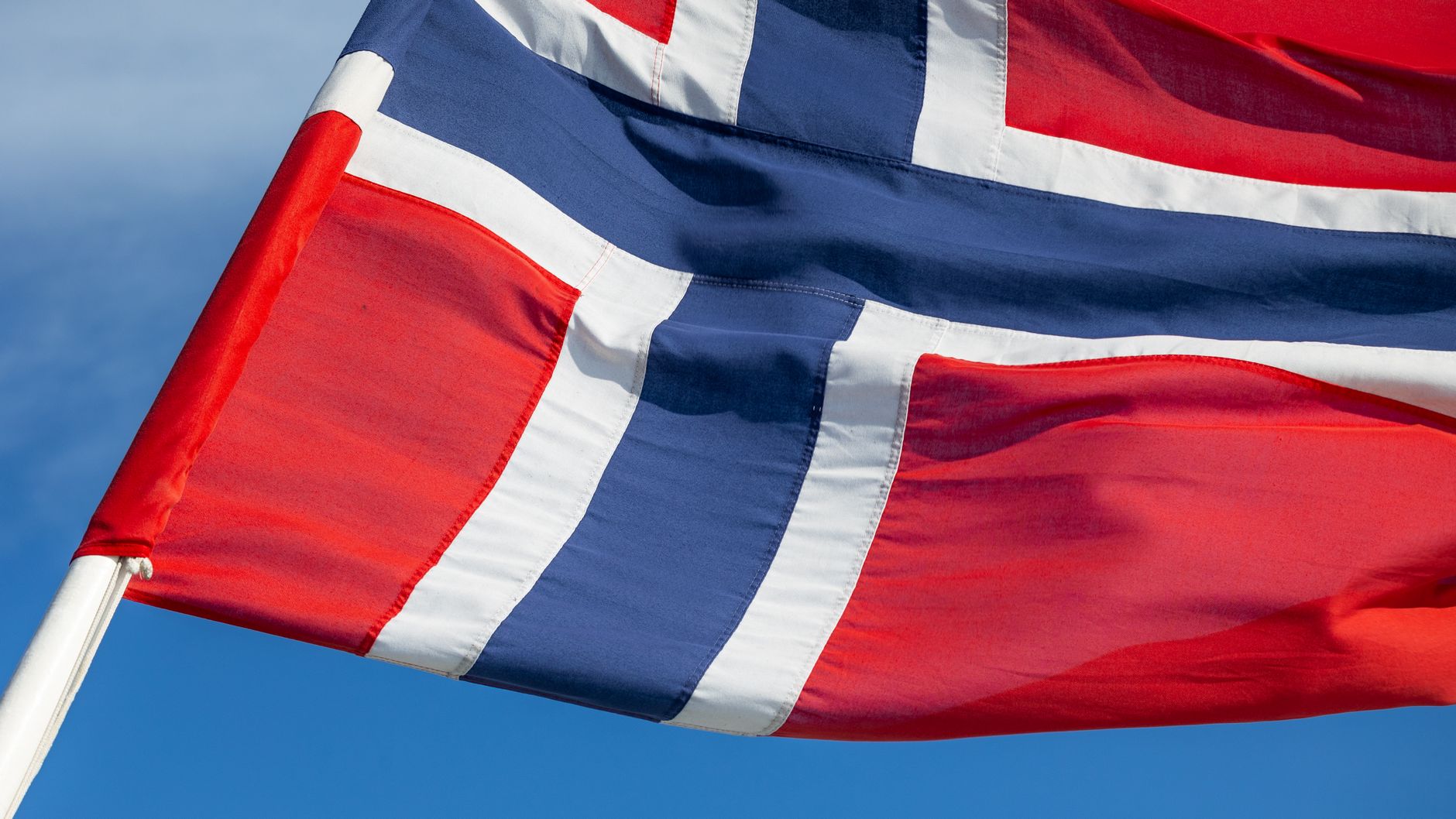
Photo by Marek Piwnicki on Pexels
What I Tested
I tested Norway’s competitive profile across four filters: scoring power, creative supply, defensive reliability, and match-up value. The conclusion is blunt: Norway deserves respect as an attacking force, but the team should not be treated as a complete tournament machine until its back line proves it can protect leads against elite pressure.
The central evidence comes from the supplied ESPN squad and schedule data. Haaland’s 7 goals in 5 appearances create a scoring rate of 1.4 goals per appearance, although that figure is a snapshot rather than a career average. Ødegaard’s 4 assists in 5 matches demonstrate his importance as a chance creator, while Patrick Berg added 2 assists in 6 appearances from a deeper midfield position. Antonio Nusa contributed 1 goal and recorded 6 shots, and Oscar Bobb supplied width and direct running despite making 5 substitute appearances.
For our purposes, the most useful indicators are not simply goals and possession. I would track:
- Haaland’s shots on target per match.
- Ødegaard’s final-third touches and key passes.
- Norway’s goals conceded after losing possession.
- The number of defensive substitutions after the 60th minute.
- Whether Alexander Sørloth starts alongside Haaland or operates as an alternative.
The [Internal Link: Norway World Cup prediction guide] should be read alongside these indicators because market confidence can rise faster than the underlying defensive numbers.
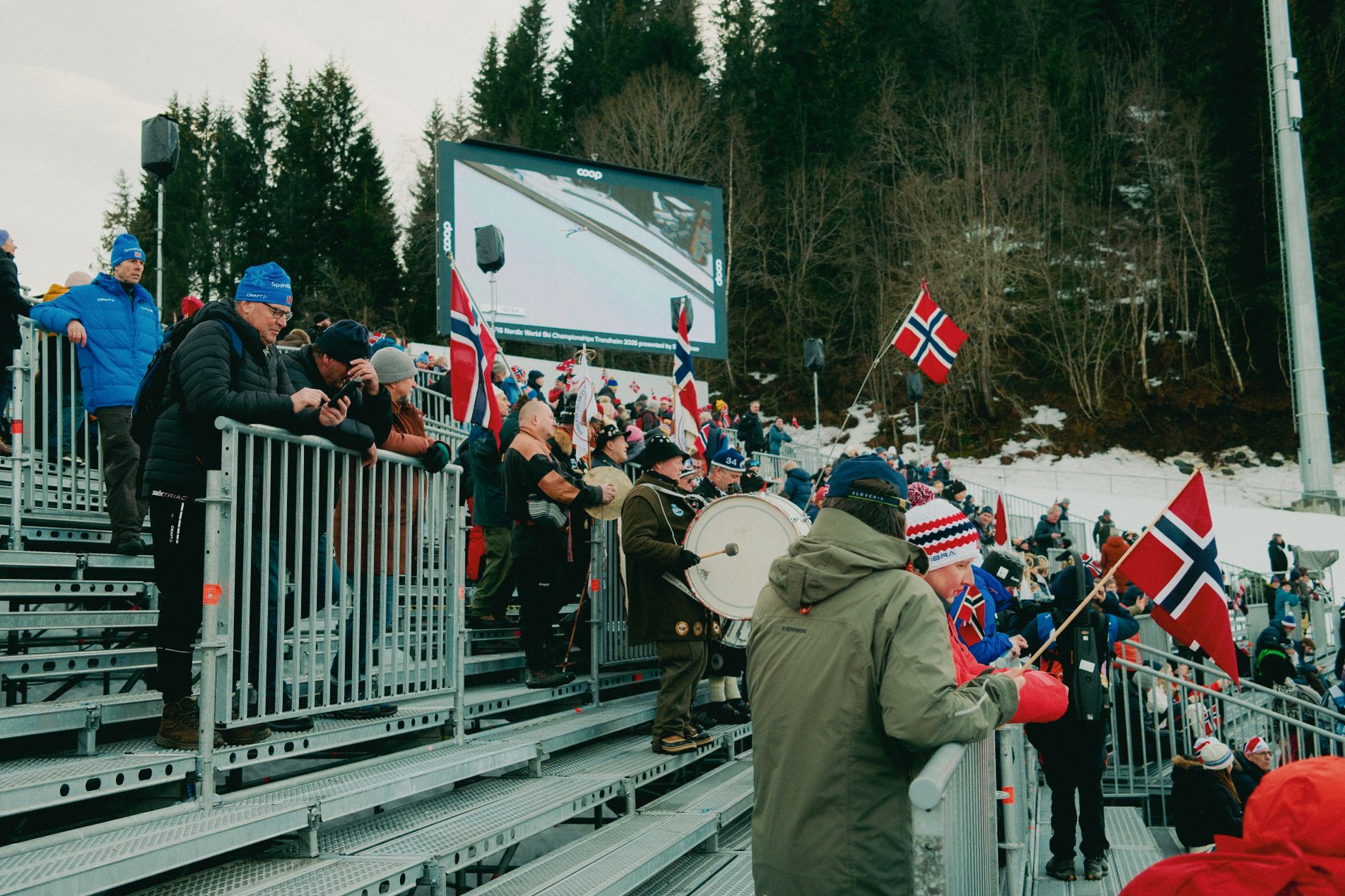
Photo by Dua'a Al-Amad on Pexels
Setup & Initial Impressions
Norway’s setup appears most dangerous when Ødegaard receives between midfield and defence, allowing Haaland to attack the space behind the centre-backs. The supporting cast matters because opponents cannot focus exclusively on Haaland: Sørloth offers a 6-foot-5 aerial target, Nusa brings acceleration, and Bobb can carry the ball through congested wide areas. Sander Berge adds physical power at 6 feet 5 inches, while Fredrik Aursnes provides versatility and defensive coverage.
The roster also has measurable structural advantages. Ajer, Østigard, Torbjørn Heggem, and several reserve defenders stand above 6 feet, creating a strong set-piece platform. Norway can therefore threaten from corners and free kicks even when open-play creation stalls. The cost is mobility: a tall defensive unit can be exposed when the opponent attacks rapidly into wide channels or forces centre-backs to defend large spaces.
The goalkeeper situation deserves more attention than it usually receives. Ørjan Nyland recorded 16 saves and 7 goals conceded in 5 appearances in the supplied squad data, while Egil Selvik registered 5 saves and 4 goals conceded in 1 appearance. Those numbers are not enough to judge long-term quality, but they identify a practical betting variable: Norway’s total-goals markets may be more attractive than a clean-sheet market when the opposition has fast forwards.
Get the broader tournament context before comparing prices and probabilities.
Where It Held Up
Norway held up best when its attack could create repeated central overloads and turn possession into early shots. The listed victories over Brazil, Senegal, Iraq, and Côte d’Ivoire show a useful pattern: Norway is capable of converting physical advantages into goals against different styles, from technical possession teams to more direct opponents. The 2–1 result against Brazil is particularly valuable as a confidence signal, although one result cannot replace a larger sample.
Haaland is the obvious finishing edge, but the team’s value is broader than one player. Sørloth can occupy defenders and attack crosses, Nusa can stretch the defensive line, and Ødegaard can change the point of attack with one pass. This creates a two-layer threat: defend deep and Norway can cross toward tall forwards; press high and the team can release Haaland into space.
A less obvious advantage is substitution depth. The supplied data shows Bobb making 5 substitute appearances, Nusa making 2, and several defenders entering from the bench. That gives Norway a late-game route to increased tempo. In practical terms, I would examine live markets after 55 minutes: if Norway is level, has maintained shot volume, and introduces fresh wide attackers, the late-goal probability may offer better value than the pre-match price.
For further context, compare these observations with [Internal Link: European national-team tactical analysis].

Photo by Franco Monsalvo on Pexels
Where It Fell Apart
Norway’s main failure point is defensive transition. The same forward-heavy structure that creates chances can leave midfield space behind Ødegaard and the advanced wingers, especially when Berge or Berg cannot slow the counterattack. A team with Haaland and Sørloth may score against strong opponents, but conceding the first goal forces Norway to attack even more aggressively, increasing exposure at the opposite end.
The supplied match list contains a revealing contrast: Norway beat Brazil 2–1 and Senegal 3–2, yet the 3–2 scoreline confirms that attacking success does not automatically equal control. Norway also drew 1–1 with Morocco in the listed international friendly, a result that suggests opponents able to compress the centre can reduce the quality of Norway’s final opportunities. This is where casual analysis loses money: it counts famous forwards but ignores the number of clean defensive possessions.
Watch three specific warning signs:
- Ajer or Østigard being pulled into wide defensive zones.
- Berg receiving a yellow card before halftime.
- Norway completing fewer progressive passes after losing possession.
The third point is an information edge worth retaining. If Norway’s first press fails repeatedly, the team may still score, but its win probability can fall faster than public sentiment recognises. [Internal Link: live football betting strategy] is useful here, particularly for separating attacking pressure from genuine territorial control.
The official FIFA World Cup 2026 coverage should remain the reference point for confirmed fixtures, qualification status, and tournament updates. FIFA’s competition framework makes the operational rule clear: “fair play is an essential part of football,” so disciplinary data matters when evaluating late-match availability.
Would I Use It Again?
Yes, but selectively. I would use Norway in goals markets, player-shot markets, and carefully chosen match-result positions when the opponent’s defensive line plays high. I would be much less enthusiastic about backing Norway to keep a clean sheet against teams with explosive wide attackers, because the roster’s height does not eliminate transition risk.
My preferred evaluation sequence is simple:
- Confirm Haaland’s starting status and recent minutes.
- Check whether Ødegaard starts and whether Berg or Berge protects midfield.
- Compare Norway’s attacking price with the opponent’s counterattacking profile.
- Review the last five results rather than relying on reputation.
- Reduce stake size when Norway’s defensive lineup changes in two or more positions.
According to UEFA, international results, squad availability, and competition context must be interpreted within the relevant tournament format. That sounds basic, but it prevents a common error: treating a friendly victory as equivalent to a high-pressure qualifier. Football Insights applies the same discipline to its 2026 World Cup coverage by connecting player statistics with tactical circumstances.
My final verdict is clear: Norway is a high-upside team with a tournament-level attack, not a low-risk all-round selection. Haaland and Ødegaard can decide matches, but the best value appears when the market prices Norway’s stars without fully pricing the opponent’s ability to counter. Use the data, confirm the lineup, and never pay a premium for a famous name alone.
Want the next match analysis built around confirmed lineups and market movement?
Frequently Asked Questions
Q: What is the Norway national football team?
A: The Norway national football team is Norway’s senior men’s international football side, representing the country in UEFA and FIFA competitions. It is governed by the Norwegian Football Federation and plays home matches in Norway, with Ullevaal Stadion in Oslo serving as a major venue. The modern team is widely associated with Erling Haaland, Martin Ødegaard, and a physically strong playing style.
Q: Who are Norway’s most important players in 2026?
A: Erling Haaland and Martin Ødegaard are Norway’s two most influential 2026 players. The supplied squad snapshot credits Haaland with 7 goals in 5 appearances and Ødegaard with 4 assists in 5 matches. Alexander Sørloth, Patrick Berg, Sander Berge, Antonio Nusa, and Oscar Bobb also affect Norway’s tactical balance and attacking output.
Q: How does Norway’s national football team usually attack?
A: Norway usually attacks through a combination of central creativity, direct forward running, and crosses toward tall strikers. Ødegaard’s passing can unlock the space behind the defensive line, while Haaland and Sørloth provide finishing and aerial strength. Against deeper opponents, Nusa and Bobb are important because they can widen the pitch and create one-on-one situations.
Q: Is Norway better than Brazil or Senegal?
A: Norway cannot be judged as consistently stronger than Brazil or Senegal, but the listed 2–1 win over Brazil and 3–2 win over Senegal prove it can beat elite opposition. Brazil typically offers technical control, while Senegal provides athleticism and transition threat. Norway’s outcome depends heavily on defensive discipline, midfield protection, and Haaland’s availability.
Q: What should I check before betting on Norway?
A: Check the starting lineup, Haaland’s minutes, Ødegaard’s availability, Norway’s central-midfield pairing, and the opponent’s counterattacking speed. Also review the previous five results and whether Norway conceded after turnovers. A strong attacking lineup does not automatically justify a short match-winner price, particularly when two or more defenders are missing.
Q: Why does Norway sometimes concede despite having tall defenders?
A: Norway can concede because defensive height mainly helps with crosses and set pieces, not every transition situation. Tall defenders such as Kristoffer Ajer and Leo Østigard may be vulnerable when opponents attack the channels quickly or force them away from the penalty area. Norway must therefore protect the space in front of its defence, not simply defend aerial balls.
Q: Where can I follow Norway’s 2026 fixtures and player statistics?
A: Follow confirmed fixtures through FIFA, UEFA, and reputable statistical providers such as ESPN. FIFA provides official World Cup information, while UEFA covers European competition details and national-team scheduling. Football Insights adds tactical interpretation, player-form analysis, and match-prediction context for readers tracking Norway throughout the 2026 World Cup cycle.
Ready to compare Norway’s next opponent, lineup, and tactical matchup?
Football Insights � Editorial Archive � Volume IV